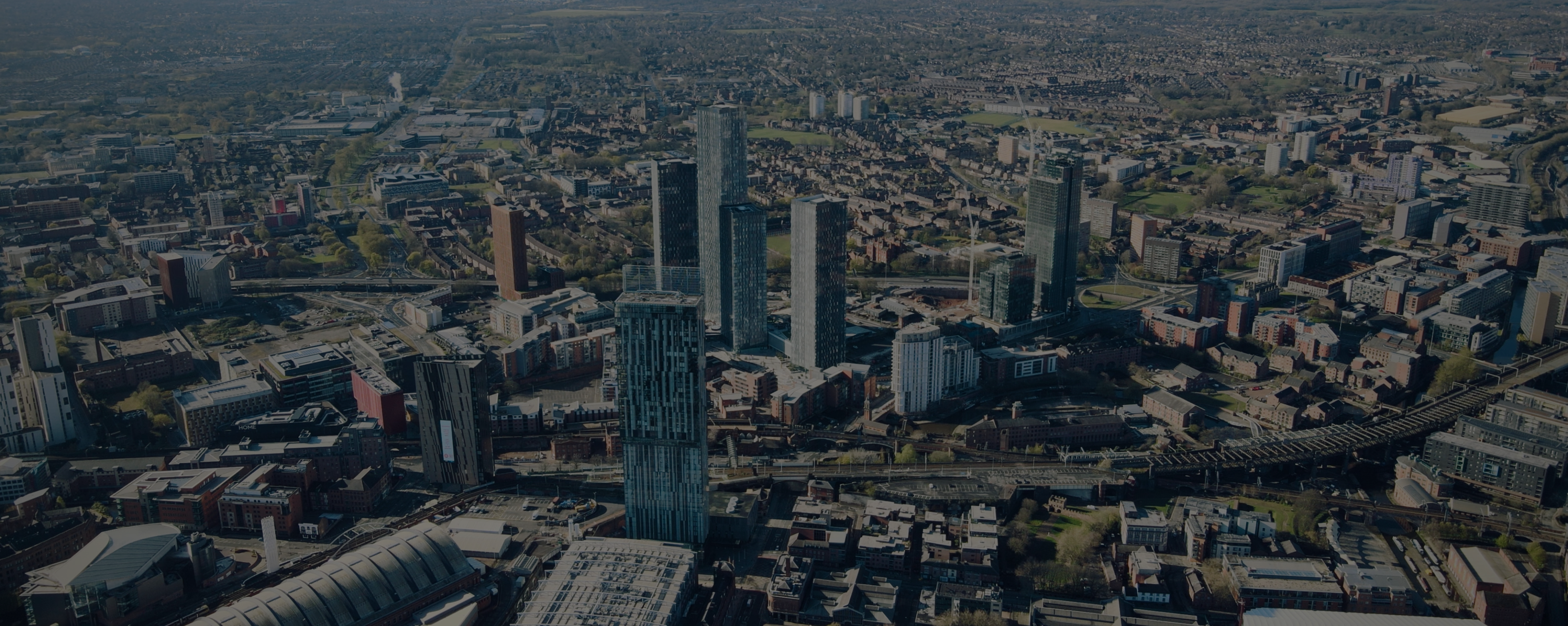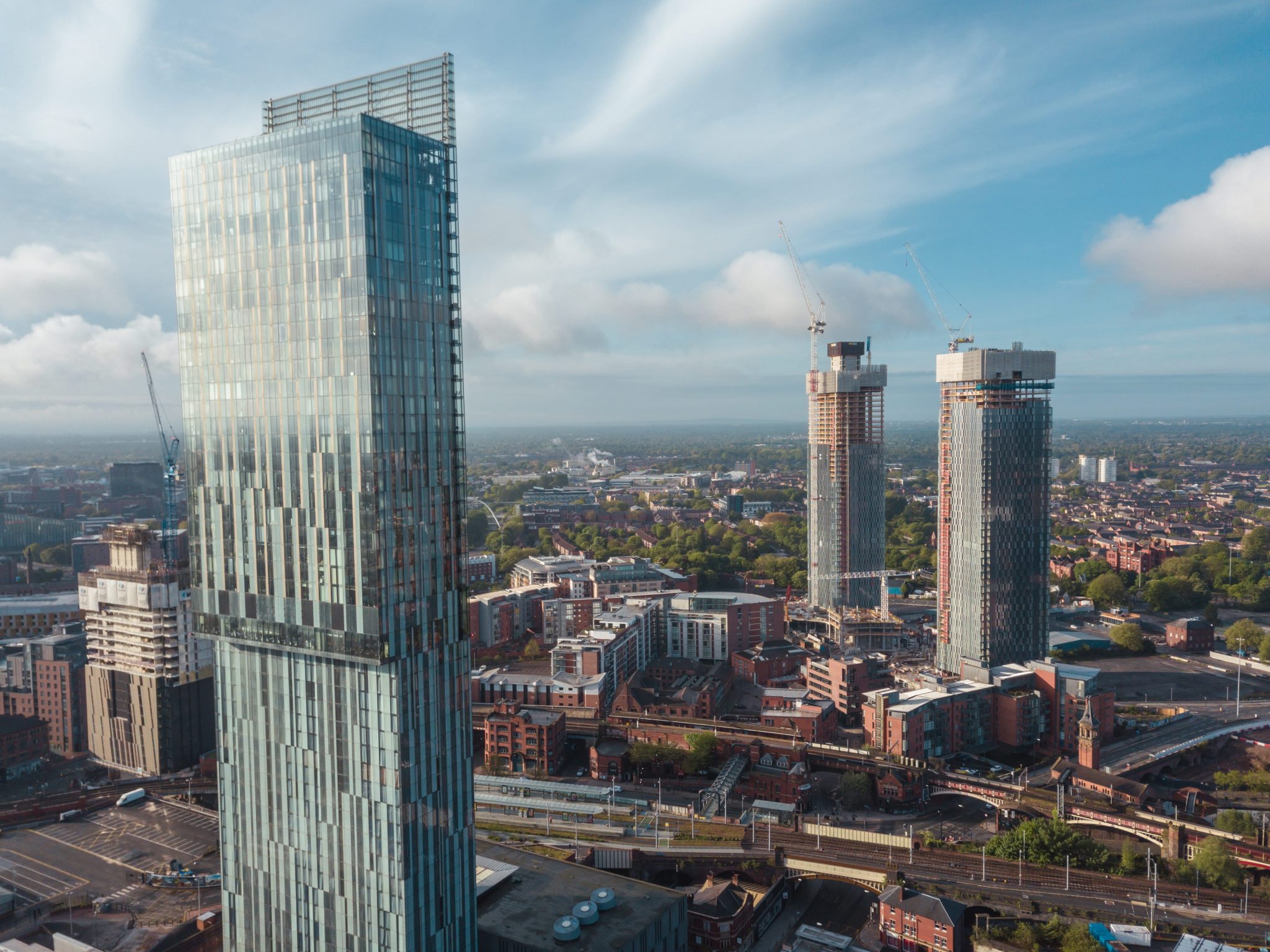

Manchester’s skyline is rapidly changing, with a new wave of skyscrapers turning it into one of Europe’s tallest urban centres.
New analysis from Barbour ABI suggests it could rank as Europe’s fourth “tallest city” by 2030 if its current approved projects are completed, overtaking both Paris and Frankfurt.
The rankings are based on the number of buildings above 50m, 100m and 150m in height. Manchester is currently seventh in Europe, behind Moscow, Istanbul, London, Paris, Frankfurt and Warsaw.
The city now has 26 buildings taller than 100 metres and 10 above 150 metres, up from just four over 100 metres in 2017.
Much of that growth has been concentrated around Deansgate, Great Jackson Street and the wider city-centre core, where developers have increasingly turned to high-rise schemes.
Compact city leading to taller buildings
Barbour ABI told BBC News that Manchester’s relatively compact city centre is one of the main factors driving taller development, as limited central space, lower land costs and strong demand for centrally located housing continue to push developers upwards.
The city’s expanding graduate population and growing base of young professionals have also helped support demand for apartment-led schemes, particularly within easy walking distance of transport hubs, offices and leisure districts.
The city’s skyline has been evolving over several decades. The CIS Tower, completed in 1962, was once the tallest office building in the UK, while Beetham Tower became a major landmark following its completion in 2006.
The pace of construction, however, has increased significantly since then. Deansgate Square South Tower overtook Beetham Tower in 2018 at 201 metres tall, and even larger schemes are now moving through the planning process.
Tallest skyscraper outside London
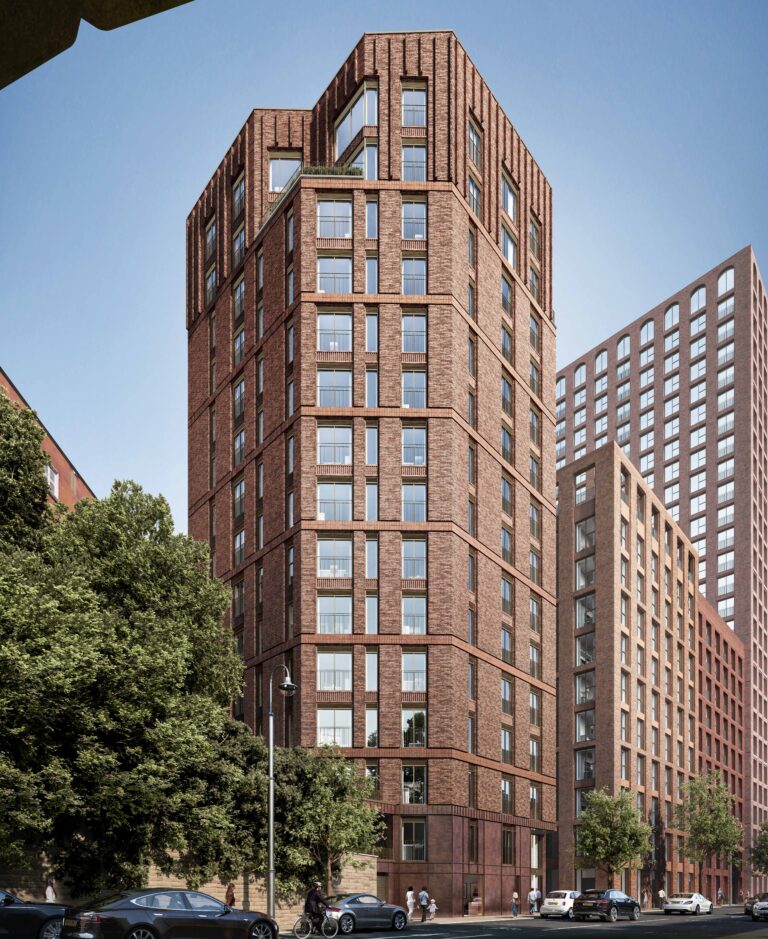
And last year, planners approved what is set to become the tallest skyscraper outside London. The 76-storey, 246 metre tower is being backed by developer Salboy and will include 452 apartments, as well as a 160-bed hotel.
Several other large-scale residential towers are also in the pipeline.
Viadux Phase 2, a £600 million development, is expected to deliver 915 apartments in another 76-storey tower, while The Lighthouse and Great Ancoats Street schemes would add hundreds more homes in towers of over 70 storeys.
Commercial development is following a similar path.
Manchester Innovation District
Plans linked to the Manchester Innovation District — a partnership between the University of Manchester and Bruntwood SciTech — include new office, laboratory and flexible workspace aimed at science and technology businesses.
Elsewhere, hotel development continues to grow apace in response to increasing visitor numbers and business travel, with several major schemes currently in planning across the city centre.
With the city’s development focus now shifting towards mixed-use schemes, which combine residential, office, hotel and leisure space, many of the current projects are significantly larger and more capital-intensive than Manchester’s earlier generation of towers.
The scale of construction planned over the next decade is, though, likely to place greater pressure on transport infrastructure, public space and city-centre services as thousands of additional residents move into high-density developments.
For now, Manchester’s skyline appears set to continue climbing, with the city centre increasingly defined by vertical growth rather than outward expansion.