Available
St. George’s Terrace
York
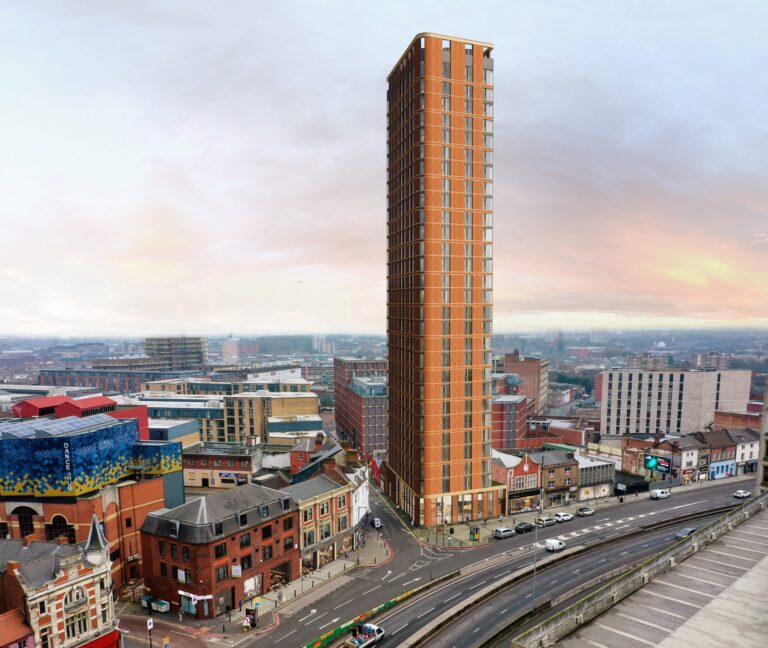
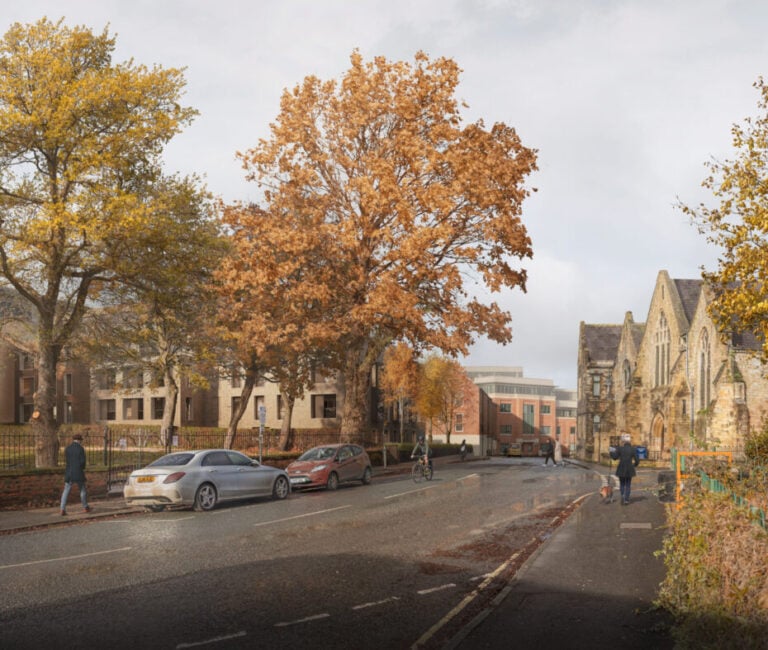
35 boutique apartments in the heart of historic York
Price
£286,000 - £850,000


Apartment block investment has become an increasingly popular alternative to the traditional buy-to-let model. Instead of relying on one property and one tenant, investors acquire multiple apartments within the same building, generating several rental income streams from a single residential asset.
Whether you’re purchasing your first apartment block or expanding an established portfolio, understanding how apartment block investment works is essential before committing significant capital. Ownership structures, financing, rental demand, management responsibilities and long-term investment objectives all play an important role in determining whether this type of investment is the right choice.
This guide explains what apartment block investment involves, how these investments are financed and valued, the benefits and potential risks, and what experienced investors look for before they buy. It also explores the opportunities available through BuyAssociation and how we help investors identify larger residential investment opportunities throughout the UK.
								Array
(
    [ID] => 6090732
    [id] => 6090732
    [title] => A modern apartment block
    [filename] => stpetersgate-scaled-pjkpxzh1r3c97ully1q0ih8i8t4qp505vtt9a6chgw.jpeg
    [filesize] => 156410
    [url] => https://www.buyassociationgroup.com/en-gb/wp-content/uploads/sites/2/2022/11/stpetersgate-scaled-pjkpxzh1r3c97ully1q0ih8i8t4qp505vtt9a6chgw.jpeg
    [link] => https://www.buyassociationgroup.com/en-gb/investments/stpetersgate-scaled-pjkpxzh1r3c97ully1q0ih8i8t4qp505vtt9a6chgw/
    [alt] => A modern apartment block
    [author] => 4195
    [description] =>
    [caption] =>
    [name] => stpetersgate-scaled-pjkpxzh1r3c97ully1q0ih8i8t4qp505vtt9a6chgw
    [status] => inherit
    [uploaded_to] => 6
    [date] => 2022-11-21 12:26:56
    [modified] => 2023-11-30 17:02:22
    [menu_order] => 0
    [mime_type] => image/jpeg
    [type] => image
    [subtype] => jpeg
    [icon] => https://www.buyassociationgroup.com/en-gb/wp-includes/images/media/default.png
    [width] => 1000
    [height] => 600
    [sizes] => Array
        (
            [thumbnail] => https://www.buyassociationgroup.com/en-gb/wp-content/uploads/sites/2/2022/11/stpetersgate-scaled-pjkpxzh1r3c97ully1q0ih8i8t4qp505vtt9a6chgw-150x150.jpeg
            [thumbnail-width] => 150
            [thumbnail-height] => 150
            [medium] => https://www.buyassociationgroup.com/en-gb/wp-content/uploads/sites/2/2022/11/stpetersgate-scaled-pjkpxzh1r3c97ully1q0ih8i8t4qp505vtt9a6chgw-300x180.jpeg
            [medium-width] => 300
            [medium-height] => 180
            [medium_large] => https://www.buyassociationgroup.com/en-gb/wp-content/uploads/sites/2/2022/11/stpetersgate-scaled-pjkpxzh1r3c97ully1q0ih8i8t4qp505vtt9a6chgw-768x461.jpeg
            [medium_large-width] => 768
            [medium_large-height] => 461
            [large] => https://www.buyassociationgroup.com/en-gb/wp-content/uploads/sites/2/2022/11/stpetersgate-scaled-pjkpxzh1r3c97ully1q0ih8i8t4qp505vtt9a6chgw.jpeg
            [large-width] => 1000
            [large-height] => 600
            [1536x1536] => https://www.buyassociationgroup.com/en-gb/wp-content/uploads/sites/2/2022/11/stpetersgate-scaled-pjkpxzh1r3c97ully1q0ih8i8t4qp505vtt9a6chgw.jpeg
            [1536x1536-width] => 1000
            [1536x1536-height] => 600
            [2048x2048] => https://www.buyassociationgroup.com/en-gb/wp-content/uploads/sites/2/2022/11/stpetersgate-scaled-pjkpxzh1r3c97ully1q0ih8i8t4qp505vtt9a6chgw.jpeg
            [2048x2048-width] => 1000
            [2048x2048-height] => 600
            [post-thumbnail] => https://www.buyassociationgroup.com/en-gb/wp-content/uploads/sites/2/2022/11/stpetersgate-scaled-pjkpxzh1r3c97ully1q0ih8i8t4qp505vtt9a6chgw-125x125.jpeg
            [post-thumbnail-width] => 125
            [post-thumbnail-height] => 125
            [landscape_600x400] => https://www.buyassociationgroup.com/en-gb/wp-content/uploads/sites/2/2022/11/stpetersgate-scaled-pjkpxzh1r3c97ully1q0ih8i8t4qp505vtt9a6chgw-600x400.jpeg
            [landscape_600x400-width] => 600
            [landscape_600x400-height] => 400
            [landscape_500x300] => https://www.buyassociationgroup.com/en-gb/wp-content/uploads/sites/2/2022/11/stpetersgate-scaled-pjkpxzh1r3c97ully1q0ih8i8t4qp505vtt9a6chgw-500x300.jpeg
            [landscape_500x300-width] => 500
            [landscape_500x300-height] => 300
            [landscape_750x350] => https://www.buyassociationgroup.com/en-gb/wp-content/uploads/sites/2/2022/11/stpetersgate-scaled-pjkpxzh1r3c97ully1q0ih8i8t4qp505vtt9a6chgw-750x350.jpeg
            [landscape_750x350-width] => 750
            [landscape_750x350-height] => 350
        )

)

								Array
(
    [ID] => 6090733
    [id] => 6090733
    [title] => flats-city-2048x1280
    [filename] => flats-city-2048x1280-1.jpeg
    [filesize] => 246682
    [url] => https://www.buyassociationgroup.com/en-gb/wp-content/uploads/sites/2/2022/11/flats-city-2048x1280-1.jpeg
    [link] => https://www.buyassociationgroup.com/en-gb/investments/flats-city-2048x1280/
    [alt] => A beautiful apartment development with big windows and balconies
    [author] => 4195
    [description] =>
    [caption] =>
    [name] => flats-city-2048x1280
    [status] => inherit
    [uploaded_to] => 6
    [date] => 2022-11-21 12:29:46
    [modified] => 2023-11-30 17:02:50
    [menu_order] => 0
    [mime_type] => image/jpeg
    [type] => image
    [subtype] => jpeg
    [icon] => https://www.buyassociationgroup.com/en-gb/wp-includes/images/media/default.png
    [width] => 2048
    [height] => 1280
    [sizes] => Array
        (
            [thumbnail] => https://www.buyassociationgroup.com/en-gb/wp-content/uploads/sites/2/2022/11/flats-city-2048x1280-1-150x150.jpeg
            [thumbnail-width] => 150
            [thumbnail-height] => 150
            [medium] => https://www.buyassociationgroup.com/en-gb/wp-content/uploads/sites/2/2022/11/flats-city-2048x1280-1-300x188.jpeg
            [medium-width] => 300
            [medium-height] => 188
            [medium_large] => https://www.buyassociationgroup.com/en-gb/wp-content/uploads/sites/2/2022/11/flats-city-2048x1280-1-768x480.jpeg
            [medium_large-width] => 768
            [medium_large-height] => 480
            [large] => https://www.buyassociationgroup.com/en-gb/wp-content/uploads/sites/2/2022/11/flats-city-2048x1280-1-1024x640.jpeg
            [large-width] => 1024
            [large-height] => 640
            [1536x1536] => https://www.buyassociationgroup.com/en-gb/wp-content/uploads/sites/2/2022/11/flats-city-2048x1280-1-1536x960.jpeg
            [1536x1536-width] => 1536
            [1536x1536-height] => 960
            [2048x2048] => https://www.buyassociationgroup.com/en-gb/wp-content/uploads/sites/2/2022/11/flats-city-2048x1280-1.jpeg
            [2048x2048-width] => 2048
            [2048x2048-height] => 1280
            [post-thumbnail] => https://www.buyassociationgroup.com/en-gb/wp-content/uploads/sites/2/2022/11/flats-city-2048x1280-1-125x125.jpeg
            [post-thumbnail-width] => 125
            [post-thumbnail-height] => 125
            [landscape_600x400] => https://www.buyassociationgroup.com/en-gb/wp-content/uploads/sites/2/2022/11/flats-city-2048x1280-1-600x400.jpeg
            [landscape_600x400-width] => 600
            [landscape_600x400-height] => 400
            [landscape_500x300] => https://www.buyassociationgroup.com/en-gb/wp-content/uploads/sites/2/2022/11/flats-city-2048x1280-1-500x300.jpeg
            [landscape_500x300-width] => 500
            [landscape_500x300-height] => 300
            [landscape_750x350] => https://www.buyassociationgroup.com/en-gb/wp-content/uploads/sites/2/2022/11/flats-city-2048x1280-1-750x350.jpeg
            [landscape_750x350-width] => 750
            [landscape_750x350-height] => 350
        )

)

Yes. Private investors, property companies and institutional investors regularly purchase entire blocks of flats, apartment blocks and Multi-Unit Freehold Blocks (MUFBs). Depending on the size, ownership structure and intended use, purchases may be financed through specialist buy-to-let or commercial lending.
								Array
(
    [ID] => 6090735
    [id] => 6090735
    [title] =>
    [filename] => INT_CC_Apartment-2_-Living-room_FINAL-768x768-1.jpeg
    [filesize] => 86199
    [url] => https://www.buyassociationgroup.com/en-gb/wp-content/uploads/sites/2/2022/11/INT_CC_Apartment-2_-Living-room_FINAL-768x768-1.jpeg
    [link] => https://www.buyassociationgroup.com/en-gb/investments/int_cc_apartment-2_-living-room_final-768x768/
    [alt] => A spacious and luxurious apartment with chic decor
    [author] => 4195
    [description] =>
    [caption] =>
    [name] => int_cc_apartment-2_-living-room_final-768x768
    [status] => inherit
    [uploaded_to] => 6
    [date] => 2022-11-21 12:33:33
    [modified] => 2023-11-30 17:03:05
    [menu_order] => 0
    [mime_type] => image/jpeg
    [type] => image
    [subtype] => jpeg
    [icon] => https://www.buyassociationgroup.com/en-gb/wp-includes/images/media/default.png
    [width] => 768
    [height] => 768
    [sizes] => Array
        (
            [thumbnail] => https://www.buyassociationgroup.com/en-gb/wp-content/uploads/sites/2/2022/11/INT_CC_Apartment-2_-Living-room_FINAL-768x768-1-150x150.jpeg
            [thumbnail-width] => 150
            [thumbnail-height] => 150
            [medium] => https://www.buyassociationgroup.com/en-gb/wp-content/uploads/sites/2/2022/11/INT_CC_Apartment-2_-Living-room_FINAL-768x768-1-300x300.jpeg
            [medium-width] => 300
            [medium-height] => 300
            [medium_large] => https://www.buyassociationgroup.com/en-gb/wp-content/uploads/sites/2/2022/11/INT_CC_Apartment-2_-Living-room_FINAL-768x768-1.jpeg
            [medium_large-width] => 768
            [medium_large-height] => 768
            [large] => https://www.buyassociationgroup.com/en-gb/wp-content/uploads/sites/2/2022/11/INT_CC_Apartment-2_-Living-room_FINAL-768x768-1.jpeg
            [large-width] => 768
            [large-height] => 768
            [1536x1536] => https://www.buyassociationgroup.com/en-gb/wp-content/uploads/sites/2/2022/11/INT_CC_Apartment-2_-Living-room_FINAL-768x768-1.jpeg
            [1536x1536-width] => 768
            [1536x1536-height] => 768
            [2048x2048] => https://www.buyassociationgroup.com/en-gb/wp-content/uploads/sites/2/2022/11/INT_CC_Apartment-2_-Living-room_FINAL-768x768-1.jpeg
            [2048x2048-width] => 768
            [2048x2048-height] => 768
            [post-thumbnail] => https://www.buyassociationgroup.com/en-gb/wp-content/uploads/sites/2/2022/11/INT_CC_Apartment-2_-Living-room_FINAL-768x768-1-125x125.jpeg
            [post-thumbnail-width] => 125
            [post-thumbnail-height] => 125
            [landscape_600x400] => https://www.buyassociationgroup.com/en-gb/wp-content/uploads/sites/2/2022/11/INT_CC_Apartment-2_-Living-room_FINAL-768x768-1-600x400.jpeg
            [landscape_600x400-width] => 600
            [landscape_600x400-height] => 400
            [landscape_500x300] => https://www.buyassociationgroup.com/en-gb/wp-content/uploads/sites/2/2022/11/INT_CC_Apartment-2_-Living-room_FINAL-768x768-1-500x300.jpeg
            [landscape_500x300-width] => 500
            [landscape_500x300-height] => 300
            [landscape_750x350] => https://www.buyassociationgroup.com/en-gb/wp-content/uploads/sites/2/2022/11/INT_CC_Apartment-2_-Living-room_FINAL-768x768-1-750x350.jpeg
            [landscape_750x350-width] => 750
            [landscape_750x350-height] => 350
        )

)

Apartment block investment can provide multiple rental income streams, management efficiencies and long-term capital growth potential. It can also spread risk across several tenancies rather than relying on a single property.
For many investors, the attraction of apartment block investment is not simply about owning more apartments, but in managing them more efficiently.
The buy-to-let market has changed significantly over the past decade. Higher borrowing costs, tax reforms, increased regulation and the growing use of limited companies and Special Purpose Vehicles (SPVs) have encouraged many landlords and property companies to rethink how they build and manage their portfolios. Rather than adding one property at a time, many now focus on building stronger, more efficient portfolios through fewer, larger acquisitions.
One of the key benefits of buying blocks is the ability to manage multiple rental properties as a single investment. Maintenance, inspections and day-to-day administration can often be organised more efficiently than owning similar properties in different locations, and many of the operating costs can be spread between a number of units.
For landlords that want to expand their portfolios, apartment blocks therefore provide a more efficient, cost-effective route to growth, allowing multiple rental properties to be acquired through a single transaction rather than a series of individual purchases.
They can also offer greater resilience than a single tenancy. A vacant apartment does not mean the entire investment ceases to generate an income, as income from the occupied apartments can help cover the finance and operating costs until a replacement tenant is found.
In addition, Paragon Bank’s lender data suggests Multi-Unit Blocks (MUBs) can deliver stronger rental yields than many individual buy-to-let properties.
They can provide good growth potential, too. There is often scope to improve a building through refurbishment, better energy efficiency, upgraded communal areas or more effective management. In some cases, relatively modest improvements can increase both rental income and the long-term value of the asset.
At the same time, specialist finance has made apartment block investment more accessible than it once was. Dedicated lenders now offer products designed specifically for apartment block investments and larger residential acquisitions.
An apartment block is not always the right investment, though. A well-managed six-apartment conversion in a strong rental location may outperform a much larger building with high maintenance costs or weaker tenant demand.
								Array
(
    [ID] => 6108109
    [id] => 6108109
    [title] => Modern european complex of apartment buildings
    [filename] => iStock-1145034668.jpg
    [filesize] => 1008165
    [url] => https://www.buyassociationgroup.com/en-gb/wp-content/uploads/sites/2/2026/09/iStock-1145034668.jpg
    [link] => https://www.buyassociationgroup.com/en-gb/modern-european-complex-of-apartment-buildings/
    [alt] => apartment block investment
    [author] => 4223
    [description] =>
    [caption] => Modern european complex of apartment buildings. And outdoor facilities.
    [name] => modern-european-complex-of-apartment-buildings
    [status] => inherit
    [uploaded_to] => 0
    [date] => 2026-09-04 13:35:58
    [modified] => 2026-09-04 13:36:16
    [menu_order] => 0
    [mime_type] => image/jpeg
    [type] => image
    [subtype] => jpeg
    [icon] => https://www.buyassociationgroup.com/en-gb/wp-includes/images/media/default.png
    [width] => 1296
    [height] => 810
    [sizes] => Array
        (
            [thumbnail] => https://www.buyassociationgroup.com/en-gb/wp-content/uploads/sites/2/2026/09/iStock-1145034668-150x150.jpg
            [thumbnail-width] => 150
            [thumbnail-height] => 150
            [medium] => https://www.buyassociationgroup.com/en-gb/wp-content/uploads/sites/2/2026/09/iStock-1145034668-400x250.jpg
            [medium-width] => 400
            [medium-height] => 250
            [medium_large] => https://www.buyassociationgroup.com/en-gb/wp-content/uploads/sites/2/2026/09/iStock-1145034668-768x480.jpg
            [medium_large-width] => 768
            [medium_large-height] => 480
            [large] => https://www.buyassociationgroup.com/en-gb/wp-content/uploads/sites/2/2026/09/iStock-1145034668-1024x640.jpg
            [large-width] => 1024
            [large-height] => 640
            [1536x1536] => https://www.buyassociationgroup.com/en-gb/wp-content/uploads/sites/2/2026/09/iStock-1145034668.jpg
            [1536x1536-width] => 1296
            [1536x1536-height] => 810
            [2048x2048] => https://www.buyassociationgroup.com/en-gb/wp-content/uploads/sites/2/2026/09/iStock-1145034668.jpg
            [2048x2048-width] => 1296
            [2048x2048-height] => 810
            [post-thumbnail] => https://www.buyassociationgroup.com/en-gb/wp-content/uploads/sites/2/2026/09/iStock-1145034668-125x125.jpg
            [post-thumbnail-width] => 125
            [post-thumbnail-height] => 125
            [landscape_600x400] => https://www.buyassociationgroup.com/en-gb/wp-content/uploads/sites/2/2026/09/iStock-1145034668-600x400.jpg
            [landscape_600x400-width] => 600
            [landscape_600x400-height] => 400
            [landscape_500x300] => https://www.buyassociationgroup.com/en-gb/wp-content/uploads/sites/2/2026/09/iStock-1145034668-500x300.jpg
            [landscape_500x300-width] => 500
            [landscape_500x300-height] => 300
            [landscape_750x350] => https://www.buyassociationgroup.com/en-gb/wp-content/uploads/sites/2/2026/09/iStock-1145034668-750x350.jpg
            [landscape_750x350-width] => 750
            [landscape_750x350-height] => 350
        )

)

Apartment block investment can suit a wide range of investors, from experienced landlords looking to consolidate a portfolio to those acquiring their first multi-unit residential asset. The key is understanding whether it matches your investment objectives, available capital and your appetite for management.
For experienced landlords, purchasing an apartment block can be a natural progression from individual buy-to-let investments, allowing them to consolidate several rental units within a single asset rather than continuing to acquire properties one at a time. These purchases are often made through limited companies or Special Purpose Vehicles (SPVs), particularly where investors are building long-term portfolios or acquiring higher-value residential assets.
Apartment blocks can also appeal to overseas investors seeking professionally managed residential assets in established UK locations, as well as family investment businesses or syndicates combining capital to acquire larger opportunities.
For others, a traditional buy-to-let property may prove a more appropriate starting point. Apartment blocks generally require larger deposits, more complex financing and a greater understanding of compliance, maintenance and building management. It means investors who are new to property will benefit from taking professional advice before committing to a multi-unit purchase.
								Array
(
    [ID] => 6108110
    [id] => 6108110
    [title] => New executive apartment buildings.
    [filename] => iStock-136195994.jpg
    [filesize] => 924230
    [url] => https://www.buyassociationgroup.com/en-gb/wp-content/uploads/sites/2/2026/09/iStock-136195994.jpg
    [link] => https://www.buyassociationgroup.com/en-gb/new-executive-apartment-buildings/
    [alt] => invest in apartment blocks
    [author] => 4223
    [description] =>
    [caption] => Modern, new executive apartments and with deep blue summer sky
    [name] => new-executive-apartment-buildings
    [status] => inherit
    [uploaded_to] => 0
    [date] => 2026-09-04 13:37:19
    [modified] => 2026-09-04 13:37:35
    [menu_order] => 0
    [mime_type] => image/jpeg
    [type] => image
    [subtype] => jpeg
    [icon] => https://www.buyassociationgroup.com/en-gb/wp-includes/images/media/default.png
    [width] => 1254
    [height] => 836
    [sizes] => Array
        (
            [thumbnail] => https://www.buyassociationgroup.com/en-gb/wp-content/uploads/sites/2/2026/09/iStock-136195994-150x150.jpg
            [thumbnail-width] => 150
            [thumbnail-height] => 150
            [medium] => https://www.buyassociationgroup.com/en-gb/wp-content/uploads/sites/2/2026/09/iStock-136195994-400x267.jpg
            [medium-width] => 400
            [medium-height] => 267
            [medium_large] => https://www.buyassociationgroup.com/en-gb/wp-content/uploads/sites/2/2026/09/iStock-136195994-768x512.jpg
            [medium_large-width] => 768
            [medium_large-height] => 512
            [large] => https://www.buyassociationgroup.com/en-gb/wp-content/uploads/sites/2/2026/09/iStock-136195994-1024x683.jpg
            [large-width] => 1024
            [large-height] => 683
            [1536x1536] => https://www.buyassociationgroup.com/en-gb/wp-content/uploads/sites/2/2026/09/iStock-136195994.jpg
            [1536x1536-width] => 1254
            [1536x1536-height] => 836
            [2048x2048] => https://www.buyassociationgroup.com/en-gb/wp-content/uploads/sites/2/2026/09/iStock-136195994.jpg
            [2048x2048-width] => 1254
            [2048x2048-height] => 836
            [post-thumbnail] => https://www.buyassociationgroup.com/en-gb/wp-content/uploads/sites/2/2026/09/iStock-136195994-125x125.jpg
            [post-thumbnail-width] => 125
            [post-thumbnail-height] => 125
            [landscape_600x400] => https://www.buyassociationgroup.com/en-gb/wp-content/uploads/sites/2/2026/09/iStock-136195994-600x400.jpg
            [landscape_600x400-width] => 600
            [landscape_600x400-height] => 400
            [landscape_500x300] => https://www.buyassociationgroup.com/en-gb/wp-content/uploads/sites/2/2026/09/iStock-136195994-500x300.jpg
            [landscape_500x300-width] => 500
            [landscape_500x300-height] => 300
            [landscape_750x350] => https://www.buyassociationgroup.com/en-gb/wp-content/uploads/sites/2/2026/09/iStock-136195994-750x350.jpg
            [landscape_750x350-width] => 750
            [landscape_750x350-height] => 350
        )

)

Before choosing how to buy an apartment block, it is worth understanding the different kinds of ownership structures, as they influence financing, management responsibilities, future saleability and ongoing costs.
A Multi-Unit Freehold Block (MUFB) is one of the most common. It consists of several self-contained apartments that are held under a single freehold title.
Other apartment blocks have more complex ownership arrangements, with individual leasehold apartments and a separate freehold. Investors can purchase the freehold of the building or acquire several leasehold apartments within the same development. When apartments are owned on a leasehold basis, communal areas, service charges and building management are generally the responsibility of the freeholder or a management company.
Many larger residential investments are purchased through Special Purpose Vehicles (SPVs) or other limited company structures. An SPV is usually a limited company established specifically to own and manage property.
Choosing the right ownership structure will depend on individual legal, financial and tax circumstances.
| Ownership structure | Typical use | Financing | Management |
| MUFB | Buying an entire block under one freehold title | Specialist buy-to-let or commercial lending | Owner or managing agent responsible for the whole building |
| Leasehold apartments | Buying individual apartments within a development | Residential or specialist buy-to-let finance | Freeholder or management company usually manages communal areas |
| SPV | Holding property through a limited company | Many specialist lenders offer SPV products | Depends on the ownership structure of the property |
								Array
(
    [ID] => 6108111
    [id] => 6108111
    [title] => Contemporary Urban Apartments with Rooftop Greenery
    [filename] => iStock-2148850507.jpg
    [filesize] => 698374
    [url] => https://www.buyassociationgroup.com/en-gb/wp-content/uploads/sites/2/2026/09/iStock-2148850507.jpg
    [link] => https://www.buyassociationgroup.com/en-gb/contemporary-urban-apartments-with-rooftop-greenery/
    [alt] => why invest in apartments
    [author] => 4223
    [description] =>
    [caption] => Modern apartments with spacious balconies and rooftop gardens under a cloudy sky, emphasizing green living.
    [name] => contemporary-urban-apartments-with-rooftop-greenery
    [status] => inherit
    [uploaded_to] => 0
    [date] => 2026-09-04 13:38:30
    [modified] => 2026-09-04 13:38:45
    [menu_order] => 0
    [mime_type] => image/jpeg
    [type] => image
    [subtype] => jpeg
    [icon] => https://www.buyassociationgroup.com/en-gb/wp-includes/images/media/default.png
    [width] => 1254
    [height] => 836
    [sizes] => Array
        (
            [thumbnail] => https://www.buyassociationgroup.com/en-gb/wp-content/uploads/sites/2/2026/09/iStock-2148850507-150x150.jpg
            [thumbnail-width] => 150
            [thumbnail-height] => 150
            [medium] => https://www.buyassociationgroup.com/en-gb/wp-content/uploads/sites/2/2026/09/iStock-2148850507-400x267.jpg
            [medium-width] => 400
            [medium-height] => 267
            [medium_large] => https://www.buyassociationgroup.com/en-gb/wp-content/uploads/sites/2/2026/09/iStock-2148850507-768x512.jpg
            [medium_large-width] => 768
            [medium_large-height] => 512
            [large] => https://www.buyassociationgroup.com/en-gb/wp-content/uploads/sites/2/2026/09/iStock-2148850507-1024x683.jpg
            [large-width] => 1024
            [large-height] => 683
            [1536x1536] => https://www.buyassociationgroup.com/en-gb/wp-content/uploads/sites/2/2026/09/iStock-2148850507.jpg
            [1536x1536-width] => 1254
            [1536x1536-height] => 836
            [2048x2048] => https://www.buyassociationgroup.com/en-gb/wp-content/uploads/sites/2/2026/09/iStock-2148850507.jpg
            [2048x2048-width] => 1254
            [2048x2048-height] => 836
            [post-thumbnail] => https://www.buyassociationgroup.com/en-gb/wp-content/uploads/sites/2/2026/09/iStock-2148850507-125x125.jpg
            [post-thumbnail-width] => 125
            [post-thumbnail-height] => 125
            [landscape_600x400] => https://www.buyassociationgroup.com/en-gb/wp-content/uploads/sites/2/2026/09/iStock-2148850507-600x400.jpg
            [landscape_600x400-width] => 600
            [landscape_600x400-height] => 400
            [landscape_500x300] => https://www.buyassociationgroup.com/en-gb/wp-content/uploads/sites/2/2026/09/iStock-2148850507-500x300.jpg
            [landscape_500x300-width] => 500
            [landscape_500x300-height] => 300
            [landscape_750x350] => https://www.buyassociationgroup.com/en-gb/wp-content/uploads/sites/2/2026/09/iStock-2148850507-750x350.jpg
            [landscape_750x350-width] => 750
            [landscape_750x350-height] => 350
        )

)

There is no standard price for an apartment block. Values can range from a few hundred thousand pounds for a small converted building to many millions for large purpose-built developments in prime locations.
And the purchase price is influenced by more than just the number of apartments. Investors also need to consider location, occupancy levels, rental income, building condition, lease arrangements, development potential and local market demand.
As you would expect, prices also vary considerably between locations. Apartment blocks in city-centre investment markets often command a premium because of stronger tenant demand, employment growth and transport links. Comparable buildings in smaller regional towns, on the other hand, may offer lower entry prices and different investment characteristics.
As an example, a fully occupied building close to a major railway station with long-term tenants and minimal maintenance requirements is likely to command a premium over a similar-sized property requiring significant refurbishment or suffering from persistent voids.
And the total cost of buying an apartment block is just the starting point. Investors should also budget for deposits, finance arrangement fees, legal costs, surveys, valuations, Stamp Duty Land Tax where applicable, and any refurbishment or compliance work required post completion.

Access advice and unique property investment opportunities directly from leading developers throughout the UK
Financing an apartment block is more complex than arranging a standard residential mortgage, particularly where multiple units or larger purchase prices are involved.
Many investors use specialist commercial mortgages or dedicated multi-unit residential finance rather than conventional buy-to-let products. The type of finance available will depend on factors such as the number of apartments, the ownership structure, the borrower’s experience and whether the property is fully occupied.
Key lending criteria include:
Smaller apartment blocks may qualify for specialist buy-to-let finance, but larger residential buildings often require commercial lending. Mixed-use buildings containing both residential and commercial premises may come under semi-commercial lending criteria.
Understanding your likely borrowing capacity before beginning your search can save time and help you focus on opportunities that match your investment objectives.
A small six-apartment Multi-Unit Freehold Block (MUFB), for example, may qualify for specialist buy-to-let finance, whereas a much larger purpose-built apartment block is more likely to require commercial lending with different affordability assessments and lending criteria.
Our team can introduce you to specialist finance partners with experience in apartment block lending.
								Array
(
    [ID] => 6092404
    [id] => 6092404
    [title] => New development, Fulham Reach, in Hammersmith, West London
    [filename] => flats-apartments.jpg
    [filesize] => 2237685
    [url] => https://www.buyassociationgroup.com/en-gb/wp-content/uploads/sites/2/2023/02/flats-apartments.jpg
    [link] => https://www.buyassociationgroup.com/en-gb/news/new-leasehold-reforms/new-development-fulham-reach-in-hammersmith-west-london-2/
    [alt] => residential flats leasehold reform
    [author] => 1069
    [description] =>
    [caption] => London, UK - 21 July, 2021 - New development, Fulham Reach, in Hammersmith, West London
    [name] => new-development-fulham-reach-in-hammersmith-west-london-2
    [status] => inherit
    [uploaded_to] => 6092390
    [date] => 2023-02-01 13:53:19
    [modified] => 2024-05-21 20:23:29
    [menu_order] => 0
    [mime_type] => image/jpeg
    [type] => image
    [subtype] => jpeg
    [icon] => https://www.buyassociationgroup.com/en-gb/wp-includes/images/media/default.png
    [width] => 2121
    [height] => 1414
    [sizes] => Array
        (
            [thumbnail] => https://www.buyassociationgroup.com/en-gb/wp-content/uploads/sites/2/2023/02/flats-apartments-150x150.jpg
            [thumbnail-width] => 150
            [thumbnail-height] => 150
            [medium] => https://www.buyassociationgroup.com/en-gb/wp-content/uploads/sites/2/2023/02/flats-apartments-300x200.jpg
            [medium-width] => 300
            [medium-height] => 200
            [medium_large] => https://www.buyassociationgroup.com/en-gb/wp-content/uploads/sites/2/2023/02/flats-apartments-768x512.jpg
            [medium_large-width] => 768
            [medium_large-height] => 512
            [large] => https://www.buyassociationgroup.com/en-gb/wp-content/uploads/sites/2/2023/02/flats-apartments-1024x683.jpg
            [large-width] => 1024
            [large-height] => 683
            [1536x1536] => https://www.buyassociationgroup.com/en-gb/wp-content/uploads/sites/2/2023/02/flats-apartments-1536x1024.jpg
            [1536x1536-width] => 1536
            [1536x1536-height] => 1024
            [2048x2048] => https://www.buyassociationgroup.com/en-gb/wp-content/uploads/sites/2/2023/02/flats-apartments-2048x1365.jpg
            [2048x2048-width] => 2048
            [2048x2048-height] => 1365
            [post-thumbnail] => https://www.buyassociationgroup.com/en-gb/wp-content/uploads/sites/2/2023/02/flats-apartments-125x125.jpg
            [post-thumbnail-width] => 125
            [post-thumbnail-height] => 125
            [landscape_600x400] => https://www.buyassociationgroup.com/en-gb/wp-content/uploads/sites/2/2023/02/flats-apartments-600x400.jpg
            [landscape_600x400-width] => 600
            [landscape_600x400-height] => 400
            [landscape_500x300] => https://www.buyassociationgroup.com/en-gb/wp-content/uploads/sites/2/2023/02/flats-apartments-500x300.jpg
            [landscape_500x300-width] => 500
            [landscape_500x300-height] => 300
            [landscape_750x350] => https://www.buyassociationgroup.com/en-gb/wp-content/uploads/sites/2/2023/02/flats-apartments-750x350.jpg
            [landscape_750x350-width] => 750
            [landscape_750x350-height] => 350
        )

)

Unlike a residential property, the value of an apartment block depends not only on its location and condition but also on the income it generates and its potential to produce sustainable returns in the future.
Professional valuers will normally consider a range of factors, including:
They may also use a number of different valuation methods and performance measures to assess an apartment block’s market value.
Gross rental yield provides a quick indication of an investment’s income potential before costs are taken into account. It is calculated by dividing the annual rental income by the property’s value and multiplying the result by 100.
Gross Yield = (Annual Rental Income ÷ Property Value) × 100
Net rental yield takes account of ongoing costs such as maintenance, insurance, management fees, service charges and periods when apartments may be vacant, providing a more realistic indication of an investment’s financial performance.
Net Yield = ((Annual Rental Income − Annual Costs) ÷ Property Value) × 100
Professional valuers will often assess apartment blocks according to the income they generate and the yield investors expect, particularly for larger residential investment properties.
For larger or more complex investments, valuers may also use Discounted Cash Flow (DCF) analysis. This estimates the present value of future rental income and anticipated sale proceeds by discounting projected cash flows back to today’s values.
Unlike investment valuation, which is based primarily on rental income and expected yield, break-up value estimates what the individual apartments could be worth if sold separately rather than retained as a single investment. In some cases, the combined value of the individual apartments may exceed the value of the building as a whole.
								Array
(
    [ID] => 6108112
    [id] => 6108112
    [title] => beautiful and clean apartment building
    [filename] => iStock-867473072.jpg
    [filesize] => 797028
    [url] => https://www.buyassociationgroup.com/en-gb/wp-content/uploads/sites/2/2026/09/iStock-867473072.jpg
    [link] => https://www.buyassociationgroup.com/en-gb/beautiful-and-clean-apartment-building/
    [alt] => investing in apartment blocks
    [author] => 4223
    [description] =>
    [caption] => beautiful and clean apartment building
    [name] => beautiful-and-clean-apartment-building
    [status] => inherit
    [uploaded_to] => 0
    [date] => 2026-09-04 13:44:53
    [modified] => 2026-09-04 13:45:12
    [menu_order] => 0
    [mime_type] => image/jpeg
    [type] => image
    [subtype] => jpeg
    [icon] => https://www.buyassociationgroup.com/en-gb/wp-includes/images/media/default.png
    [width] => 1254
    [height] => 836
    [sizes] => Array
        (
            [thumbnail] => https://www.buyassociationgroup.com/en-gb/wp-content/uploads/sites/2/2026/09/iStock-867473072-150x150.jpg
            [thumbnail-width] => 150
            [thumbnail-height] => 150
            [medium] => https://www.buyassociationgroup.com/en-gb/wp-content/uploads/sites/2/2026/09/iStock-867473072-400x267.jpg
            [medium-width] => 400
            [medium-height] => 267
            [medium_large] => https://www.buyassociationgroup.com/en-gb/wp-content/uploads/sites/2/2026/09/iStock-867473072-768x512.jpg
            [medium_large-width] => 768
            [medium_large-height] => 512
            [large] => https://www.buyassociationgroup.com/en-gb/wp-content/uploads/sites/2/2026/09/iStock-867473072-1024x683.jpg
            [large-width] => 1024
            [large-height] => 683
            [1536x1536] => https://www.buyassociationgroup.com/en-gb/wp-content/uploads/sites/2/2026/09/iStock-867473072.jpg
            [1536x1536-width] => 1254
            [1536x1536-height] => 836
            [2048x2048] => https://www.buyassociationgroup.com/en-gb/wp-content/uploads/sites/2/2026/09/iStock-867473072.jpg
            [2048x2048-width] => 1254
            [2048x2048-height] => 836
            [post-thumbnail] => https://www.buyassociationgroup.com/en-gb/wp-content/uploads/sites/2/2026/09/iStock-867473072-125x125.jpg
            [post-thumbnail-width] => 125
            [post-thumbnail-height] => 125
            [landscape_600x400] => https://www.buyassociationgroup.com/en-gb/wp-content/uploads/sites/2/2026/09/iStock-867473072-600x400.jpg
            [landscape_600x400-width] => 600
            [landscape_600x400-height] => 400
            [landscape_500x300] => https://www.buyassociationgroup.com/en-gb/wp-content/uploads/sites/2/2026/09/iStock-867473072-500x300.jpg
            [landscape_500x300-width] => 500
            [landscape_500x300-height] => 300
            [landscape_750x350] => https://www.buyassociationgroup.com/en-gb/wp-content/uploads/sites/2/2026/09/iStock-867473072-750x350.jpg
            [landscape_750x350-width] => 750
            [landscape_750x350-height] => 350
        )

)

Apartment blocks can offer attractive investment opportunities, but they also bring greater levels of responsibility when compared to a single buy-to-let property.
Managing multiple apartments involves overseeing several tenancies, maintaining communal areas, organising repairs and ensuring the building continues to meet all the legal and regulatory requirements. Some investors appoint professional managing agents, but others prefer to retain greater day-to-day control themselves.
There are also financial considerations. Larger buildings can require significant capital expenditure for roofs, lifts, communal heating systems or structural repairs. Financing costs may change when mortgages are renewed, and new legislation or regulatory requirements can increase ongoing compliance costs.
Apartment blocks also concentrate investment into a single location. Although multiple apartments create several income streams, they are more exposed to the risk of changes in the local economy, employment market and rental demand. In addition, selling an entire apartment block can take longer than disposing of an individual flat, particularly in a weak market.
Extended void periods are another risk factor. Although income from occupied apartments can help offset vacancies elsewhere in the building, prolonged voids or several apartments becoming vacant simultaneously can place serious pressure on an investor’s cash flow.
Understanding the risks before you buy is just as important as identifying the right opportunity. If you’d like to discuss a potential acquisition, our investment consultants are here to help.
								Array
(
    [ID] => 6093294
    [id] => 6093294
    [title] => Fragment,Of,Modern,Residential,Apartment,With,Flat,Buildings,Exterior.,Detail
    [filename] => shutterstock_1544096003.jpg
    [filesize] => 624414
    [url] => https://www.buyassociationgroup.com/en-gb/wp-content/uploads/sites/2/2023/03/shutterstock_1544096003.jpg
    [link] => https://www.buyassociationgroup.com/en-gb/fragmentofmodernresidentialapartmentwithflatbuildingsexterior-detail/
    [alt] => Fragment,Of,Modern,Residential,Apartment,With,Flat,Buildings,Exterior.
    [author] => 4194
    [description] =>
    [caption] =>
    [name] => fragmentofmodernresidentialapartmentwithflatbuildingsexterior-detail
    [status] => inherit
    [uploaded_to] => 0
    [date] => 2023-03-31 10:16:53
    [modified] => 2023-03-31 10:17:06
    [menu_order] => 0
    [mime_type] => image/jpeg
    [type] => image
    [subtype] => jpeg
    [icon] => https://www.buyassociationgroup.com/en-gb/wp-includes/images/media/default.png
    [width] => 1000
    [height] => 625
    [sizes] => Array
        (
            [thumbnail] => https://www.buyassociationgroup.com/en-gb/wp-content/uploads/sites/2/2023/03/shutterstock_1544096003-150x150.jpg
            [thumbnail-width] => 150
            [thumbnail-height] => 150
            [medium] => https://www.buyassociationgroup.com/en-gb/wp-content/uploads/sites/2/2023/03/shutterstock_1544096003-300x188.jpg
            [medium-width] => 300
            [medium-height] => 188
            [medium_large] => https://www.buyassociationgroup.com/en-gb/wp-content/uploads/sites/2/2023/03/shutterstock_1544096003-768x480.jpg
            [medium_large-width] => 768
            [medium_large-height] => 480
            [large] => https://www.buyassociationgroup.com/en-gb/wp-content/uploads/sites/2/2023/03/shutterstock_1544096003.jpg
            [large-width] => 1000
            [large-height] => 625
            [1536x1536] => https://www.buyassociationgroup.com/en-gb/wp-content/uploads/sites/2/2023/03/shutterstock_1544096003.jpg
            [1536x1536-width] => 1000
            [1536x1536-height] => 625
            [2048x2048] => https://www.buyassociationgroup.com/en-gb/wp-content/uploads/sites/2/2023/03/shutterstock_1544096003.jpg
            [2048x2048-width] => 1000
            [2048x2048-height] => 625
            [post-thumbnail] => https://www.buyassociationgroup.com/en-gb/wp-content/uploads/sites/2/2023/03/shutterstock_1544096003-125x125.jpg
            [post-thumbnail-width] => 125
            [post-thumbnail-height] => 125
            [landscape_600x400] => https://www.buyassociationgroup.com/en-gb/wp-content/uploads/sites/2/2023/03/shutterstock_1544096003-600x400.jpg
            [landscape_600x400-width] => 600
            [landscape_600x400-height] => 400
            [landscape_500x300] => https://www.buyassociationgroup.com/en-gb/wp-content/uploads/sites/2/2023/03/shutterstock_1544096003-500x300.jpg
            [landscape_500x300-width] => 500
            [landscape_500x300-height] => 300
            [landscape_750x350] => https://www.buyassociationgroup.com/en-gb/wp-content/uploads/sites/2/2023/03/shutterstock_1544096003-750x350.jpg
            [landscape_750x350-width] => 750
            [landscape_750x350-height] => 350
        )

)

Before committing to an apartment block purchase, investors should carry out thorough due diligence to establish the building’s legal, financial and structural condition.
Checks should include:
If you are buying a converted period property, checks may reveal it offers excellent rental demand and opportunities to add value but requires substantial investment in roofing, insulation or structural repairs. A modern apartment block, on the other hand, could mean fewer immediate maintenance costs but have lease restrictions or service charge arrangements that affect long-term returns.
								Array
(
    [ID] => 6088524
    [id] => 6088524
    [title] => Modern apartment blocks surrounded by green spaces
    [filename] => C02-04-From-the-Park-HighRes-scaled-1.jpg
    [filesize] => 364368
    [url] => https://www.buyassociationgroup.com/en-gb/wp-content/uploads/sites/2/2022/09/C02-04-From-the-Park-HighRes-scaled-1.jpg
    [link] => https://www.buyassociationgroup.com/en-gb/lp/mauretania-west-waterloo-place-liverpool/c02-04-from-the-park-highres-2/
    [alt] => modern apartment blocks
    [author] => 627
    [description] =>
    [caption] =>
    [name] => c02-04-from-the-park-highres-2
    [status] => inherit
    [uploaded_to] => 6091496
    [date] => 2022-09-01 13:49:21
    [modified] => 2026-09-04 13:48:00
    [menu_order] => 0
    [mime_type] => image/jpeg
    [type] => image
    [subtype] => jpeg
    [icon] => https://www.buyassociationgroup.com/en-gb/wp-includes/images/media/default.png
    [width] => 2048
    [height] => 1152
    [sizes] => Array
        (
            [thumbnail] => https://www.buyassociationgroup.com/en-gb/wp-content/uploads/sites/2/2022/09/C02-04-From-the-Park-HighRes-scaled-1-150x150.jpg
            [thumbnail-width] => 150
            [thumbnail-height] => 150
            [medium] => https://www.buyassociationgroup.com/en-gb/wp-content/uploads/sites/2/2022/09/C02-04-From-the-Park-HighRes-scaled-1-300x169.jpg
            [medium-width] => 300
            [medium-height] => 169
            [medium_large] => https://www.buyassociationgroup.com/en-gb/wp-content/uploads/sites/2/2022/09/C02-04-From-the-Park-HighRes-scaled-1-768x432.jpg
            [medium_large-width] => 768
            [medium_large-height] => 432
            [large] => https://www.buyassociationgroup.com/en-gb/wp-content/uploads/sites/2/2022/09/C02-04-From-the-Park-HighRes-scaled-1-1024x576.jpg
            [large-width] => 1024
            [large-height] => 576
            [1536x1536] => https://www.buyassociationgroup.com/en-gb/wp-content/uploads/sites/2/2022/09/C02-04-From-the-Park-HighRes-scaled-1-1536x864.jpg
            [1536x1536-width] => 1536
            [1536x1536-height] => 864
            [2048x2048] => https://www.buyassociationgroup.com/en-gb/wp-content/uploads/sites/2/2022/09/C02-04-From-the-Park-HighRes-scaled-1.jpg
            [2048x2048-width] => 2048
            [2048x2048-height] => 1152
            [post-thumbnail] => https://www.buyassociationgroup.com/en-gb/wp-content/uploads/sites/2/2022/09/C02-04-From-the-Park-HighRes-scaled-1.jpg
            [post-thumbnail-width] => 125
            [post-thumbnail-height] => 70
            [landscape_600x400] => https://www.buyassociationgroup.com/en-gb/wp-content/uploads/sites/2/2022/09/C02-04-From-the-Park-HighRes-scaled-1-600x400.jpg
            [landscape_600x400-width] => 600
            [landscape_600x400-height] => 400
            [landscape_500x300] => https://www.buyassociationgroup.com/en-gb/wp-content/uploads/sites/2/2022/09/C02-04-From-the-Park-HighRes-scaled-1-500x300.jpg
            [landscape_500x300-width] => 500
            [landscape_500x300-height] => 300
            [landscape_750x350] => https://www.buyassociationgroup.com/en-gb/wp-content/uploads/sites/2/2022/09/C02-04-From-the-Park-HighRes-scaled-1-750x350.jpg
            [landscape_750x350-width] => 750
            [landscape_750x350-height] => 350
        )

)

BuyAssociation works with developers, property companies and industry partners to source carefully selected apartment block investment opportunities throughout the UK.
These include:
• Multi-Unit Freehold Blocks (MUFBs)
• Purpose-built apartment developments
• Residential investment portfolios
• City-centre apartment schemes
• Regeneration opportunities
• Off-market residential investments
Opportunities are selected from locations with strong long-term fundamentals, including healthy rental demand, growing employment, ongoing regeneration and good transport connections.
								Array
(
    [ID] => 6090161
    [id] => 6090161
    [title] => Photo showing modern apartment buildings and transport links in Stockport
    [filename] => shutterstock_1169263291-min-scaled.jpg
    [filesize] => 464733
    [url] => https://www.buyassociationgroup.com/en-gb/wp-content/uploads/sites/2/2022/11/shutterstock_1169263291-min-scaled.jpg
    [link] => https://www.buyassociationgroup.com/en-gb/cityam-ub/shutterstock_1169263291-min/
    [alt] => Photo showing modern apartment buildings and transport links in Stockport
    [author] => 4194
    [description] =>
    [caption] =>
    [name] => shutterstock_1169263291-min
    [status] => inherit
    [uploaded_to] => 6092734
    [date] => 2022-11-14 15:39:47
    [modified] => 2023-11-30 14:20:43
    [menu_order] => 0
    [mime_type] => image/jpeg
    [type] => image
    [subtype] => jpeg
    [icon] => https://www.buyassociationgroup.com/en-gb/wp-includes/images/media/default.png
    [width] => 2560
    [height] => 1699
    [sizes] => Array
        (
            [thumbnail] => https://www.buyassociationgroup.com/en-gb/wp-content/uploads/sites/2/2022/11/shutterstock_1169263291-min-150x150.jpg
            [thumbnail-width] => 150
            [thumbnail-height] => 150
            [medium] => https://www.buyassociationgroup.com/en-gb/wp-content/uploads/sites/2/2022/11/shutterstock_1169263291-min-300x199.jpg
            [medium-width] => 300
            [medium-height] => 199
            [medium_large] => https://www.buyassociationgroup.com/en-gb/wp-content/uploads/sites/2/2022/11/shutterstock_1169263291-min-768x510.jpg
            [medium_large-width] => 768
            [medium_large-height] => 510
            [large] => https://www.buyassociationgroup.com/en-gb/wp-content/uploads/sites/2/2022/11/shutterstock_1169263291-min-1024x680.jpg
            [large-width] => 1024
            [large-height] => 680
            [1536x1536] => https://www.buyassociationgroup.com/en-gb/wp-content/uploads/sites/2/2022/11/shutterstock_1169263291-min-1536x1019.jpg
            [1536x1536-width] => 1536
            [1536x1536-height] => 1019
            [2048x2048] => https://www.buyassociationgroup.com/en-gb/wp-content/uploads/sites/2/2022/11/shutterstock_1169263291-min-2048x1359.jpg
            [2048x2048-width] => 2048
            [2048x2048-height] => 1359
            [post-thumbnail] => https://www.buyassociationgroup.com/en-gb/wp-content/uploads/sites/2/2022/11/shutterstock_1169263291-min-125x125.jpg
            [post-thumbnail-width] => 125
            [post-thumbnail-height] => 125
            [landscape_600x400] => https://www.buyassociationgroup.com/en-gb/wp-content/uploads/sites/2/2022/11/shutterstock_1169263291-min-scaled-600x400.jpg
            [landscape_600x400-width] => 600
            [landscape_600x400-height] => 400
            [landscape_500x300] => https://www.buyassociationgroup.com/en-gb/wp-content/uploads/sites/2/2022/11/shutterstock_1169263291-min-scaled-500x300.jpg
            [landscape_500x300-width] => 500
            [landscape_500x300-height] => 300
            [landscape_750x350] => https://www.buyassociationgroup.com/en-gb/wp-content/uploads/sites/2/2022/11/shutterstock_1169263291-min-scaled-750x350.jpg
            [landscape_750x350-width] => 750
            [landscape_750x350-height] => 350
        )

)

Some of the UK’s best locations include:
If you’re looking for an income-producing apartment block or a value-add opportunity with future development potential, our Investment Consultants can help identify opportunities that align with your objectives.
								Array
(
    [ID] => 6092523
    [id] => 6092523
    [title] => Cityscape of a residential area with modern apartment buildings, new green urban landscape in the city
    [filename] => off-plan-flats-new-build-cgi.jpg
    [filesize] => 2979020
    [url] => https://www.buyassociationgroup.com/en-gb/wp-content/uploads/sites/2/2023/02/off-plan-flats-new-build-cgi.jpg
    [link] => https://www.buyassociationgroup.com/en-gb/news/investors-off-plan/cityscape-of-a-residential-area-with-modern-apartment-buildings-new-green-urban-landscape-in-the-city/
    [alt] => A beautiful large modern apartment building new-builds landlords rental market
    [author] => 1069
    [description] =>
    [caption] => Cityscape of a residential area with modern apartment buildings, new green urban landscape in the city
    [name] => cityscape-of-a-residential-area-with-modern-apartment-buildings-new-green-urban-landscape-in-the-city
    [status] => inherit
    [uploaded_to] => 6092443
    [date] => 2023-02-07 20:43:08
    [modified] => 2024-11-04 10:45:14
    [menu_order] => 0
    [mime_type] => image/jpeg
    [type] => image
    [subtype] => jpeg
    [icon] => https://www.buyassociationgroup.com/en-gb/wp-includes/images/media/default.png
    [width] => 2121
    [height] => 1414
    [sizes] => Array
        (
            [thumbnail] => https://www.buyassociationgroup.com/en-gb/wp-content/uploads/sites/2/2023/02/off-plan-flats-new-build-cgi-150x150.jpg
            [thumbnail-width] => 150
            [thumbnail-height] => 150
            [medium] => https://www.buyassociationgroup.com/en-gb/wp-content/uploads/sites/2/2023/02/off-plan-flats-new-build-cgi-300x200.jpg
            [medium-width] => 300
            [medium-height] => 200
            [medium_large] => https://www.buyassociationgroup.com/en-gb/wp-content/uploads/sites/2/2023/02/off-plan-flats-new-build-cgi-768x512.jpg
            [medium_large-width] => 768
            [medium_large-height] => 512
            [large] => https://www.buyassociationgroup.com/en-gb/wp-content/uploads/sites/2/2023/02/off-plan-flats-new-build-cgi-1024x683.jpg
            [large-width] => 1024
            [large-height] => 683
            [1536x1536] => https://www.buyassociationgroup.com/en-gb/wp-content/uploads/sites/2/2023/02/off-plan-flats-new-build-cgi-1536x1024.jpg
            [1536x1536-width] => 1536
            [1536x1536-height] => 1024
            [2048x2048] => https://www.buyassociationgroup.com/en-gb/wp-content/uploads/sites/2/2023/02/off-plan-flats-new-build-cgi-2048x1365.jpg
            [2048x2048-width] => 2048
            [2048x2048-height] => 1365
            [post-thumbnail] => https://www.buyassociationgroup.com/en-gb/wp-content/uploads/sites/2/2023/02/off-plan-flats-new-build-cgi-125x125.jpg
            [post-thumbnail-width] => 125
            [post-thumbnail-height] => 125
            [landscape_600x400] => https://www.buyassociationgroup.com/en-gb/wp-content/uploads/sites/2/2023/02/off-plan-flats-new-build-cgi-600x400.jpg
            [landscape_600x400-width] => 600
            [landscape_600x400-height] => 400
            [landscape_500x300] => https://www.buyassociationgroup.com/en-gb/wp-content/uploads/sites/2/2023/02/off-plan-flats-new-build-cgi-500x300.jpg
            [landscape_500x300-width] => 500
            [landscape_500x300-height] => 300
            [landscape_750x350] => https://www.buyassociationgroup.com/en-gb/wp-content/uploads/sites/2/2023/02/off-plan-flats-new-build-cgi-750x350.jpg
            [landscape_750x350-width] => 750
            [landscape_750x350-height] => 350
        )

)
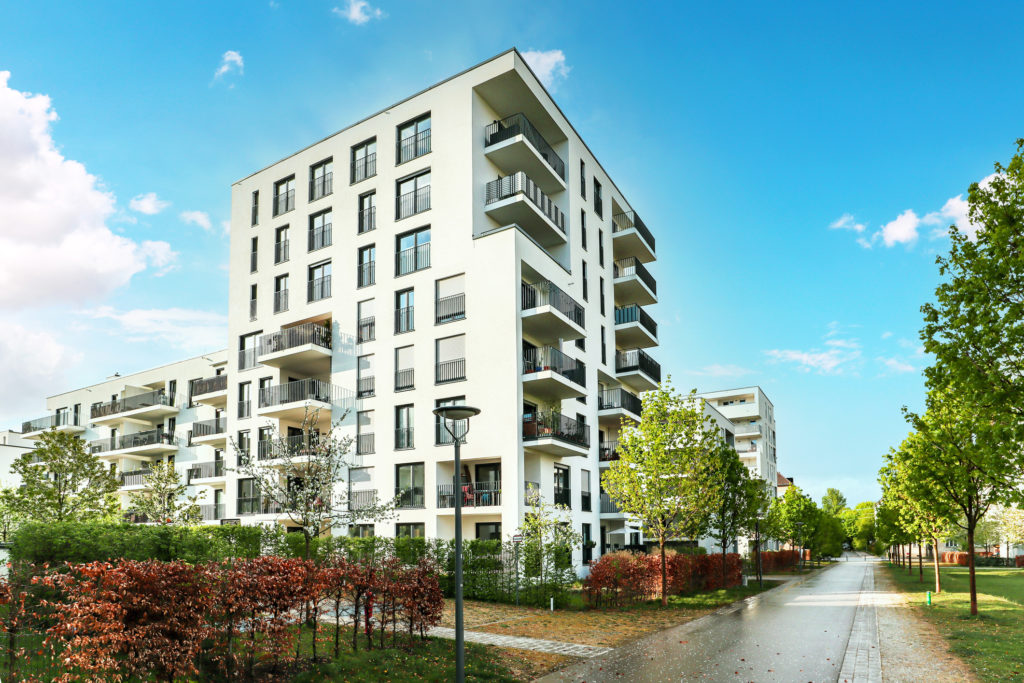
Successful apartment block investment involves much more than just identifying an outwardly attractive property.
Our role is to help investors assess potential investments objectively, drawing on market research, local knowledge and the expertise of our industry partners to identify properties that align with their investment goals.
Our relationships with developers and industry partners also provide access to opportunities that may be ahead of the marketd. Where appropriate, we can also introduce investors to specialist finance and other professional advisers to help support the acquisition process.
Whether you’re considering your first apartment block or expanding an existing portfolio, our aim is to help you invest with confidence.
Below are some of the most popular questions we get from investors regarding apartment block investment, and answers from our experts
Apartment blocks can provide multiple rental income streams, greater management efficiencies and long-term capital growth potential. However, every investment should be assessed on its own merits, taking account of financing, management responsibilities, local rental demand and ongoing costs.
Apartment block prices vary considerably depending on their size, location, rental income, occupancy levels, condition and development potential. Smaller converted buildings may cost a few hundred thousand pounds, while larger purpose-built developments can be worth several million pounds.
A Multi-Unit Freehold Block (MUFB) is a single freehold title containing multiple self-contained residential apartments. It allows investors to own several rental units through a single investment.
It can be, although apartment blocks are generally more complex than purchasing a single buy-to-let property. Many first-time investors choose to seek professional guidance before making a multi-unit acquisition.
Private investors, companies and institutional investors regularly purchase entire apartment blocks, blocks of flats, Multi-Unit Freehold Blocks (MUFBs) and other multi-unit residential investments.
Yes. Depending on the property and ownership structure, investors may use commercial mortgages, specialist buy-to-let products or other forms of residential investment finance.
Rental yields vary according to location, purchase price, tenant demand, occupancy levels and operating costs. However, recent Paragon Bank lender data suggests Multi-Unit Blocks (MUBs) can deliver stronger rental yields than many individual buy-to-let properties. Rather than focusing solely on headline yield, investors should also consider long-term capital growth, future maintenance costs and the overall performance of the investment.
Investors should carefully assess the ownership structure, financing, tenancy arrangements, building condition, compliance requirements, local rental demand, maintenance costs and their long-term investment objectives before proceeding.
Apartment block investment can provide an effective way to quickly build or expand a property portfolio, but choosing the right building requires careful research and informed decision-making.
Whether you’re exploring your first apartment block investment or expanding an established portfolio, our investment consultants can help you identify opportunities that match your investment goals.
Please read
I declare that I am a self-certified sophisticated investor for the purposes of the restriction on promotion of non-mainstream pooled investments. I understand that this means:
I am a self-certified sophisticated investor because at least one of the following applies:
I accept that the investments to which the promotions will relate may expose me to a significant risk of losing all of the money or other property invested. I am aware that it is open to me seek advice from someone who specialises in advising on non-mainstream pooled investments.
Please read
I make this statement so that I can receive promotional communications which are exempt from the restriction on promotion of non-mainstream pooled investments. The exemption relates to certified high net worth investors and I declare that I qualify as such because at least one of the following applies to me:
I accept that the investments to which the promotions will relate may expose me to a significant risk of losing all of the money or other property invested. I am aware that it is open to me to seek advice from an authorised person who specialises in advising on non-mainstream pooled investments.

STAY AHEAD OF THE MARKET
We send limited and targeted emails on new launches and exclusive deals which best fit your areas. We are trusted by over 30,000 active buyers as their source for new stock.

FIRST FOR NEWS AND KNOWLEDGE.
Established since 2005 we are a leading voice of authority and commentary on the UK property market. Our news is trusted by Apple News & Google News.
Speak to our UK property experts today:
Open from 9am-6pm GMT
Open from 9am-6pm HKT