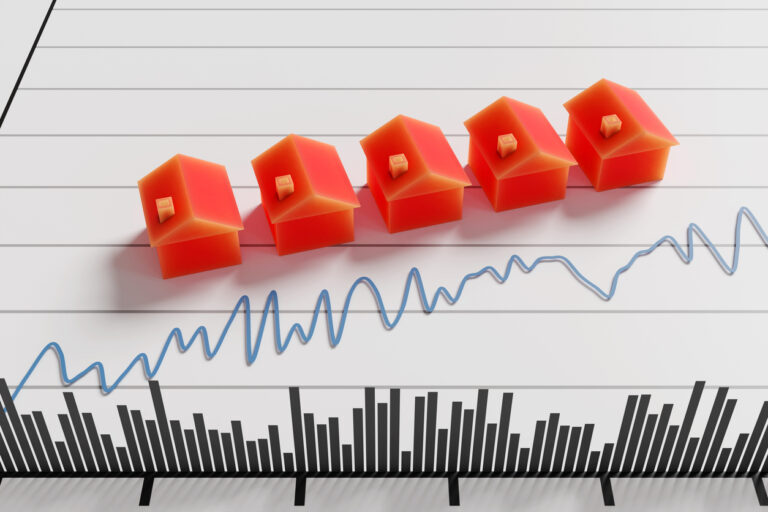

Growing demand for A- and B-rated homes is the result of a widening cost gap between efficient and inefficient properties as energy prices surge once again.
According to James Greenwood, Partner at Stacks Property Search, demand for those energy-efficient homes is accelerating as renewed volatility in global energy markets feeds directly into household costs, with buyers and investors placing greater weight on EPC ratings as a measure of financial resilience.
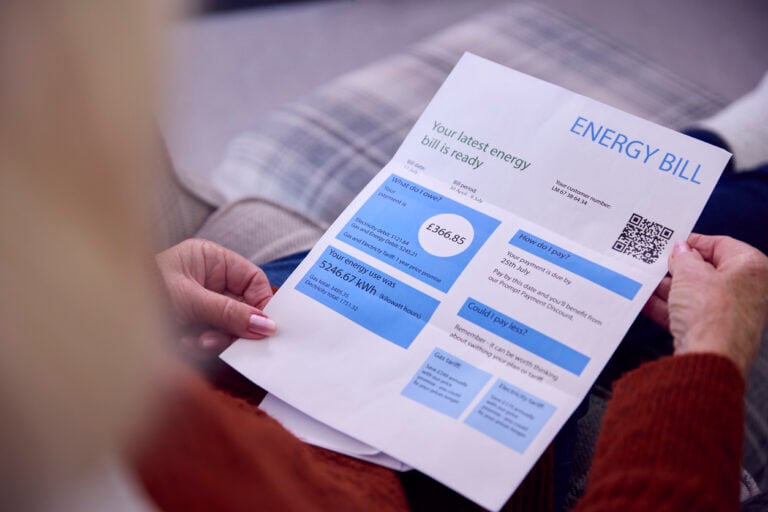
The conflict in Iran has triggered a fresh energy price shock, pushing up oil and gas costs and increasing the financial burden on households. This has sharpened an existing trend, with properties rated A or B increasingly viewed as offering protection against rising bills.
Greenwood says highly rated homes had already begun to command a premium following the 2022 energy crisis, as buyers became more aware of running costs and the impact of tightening regulations. However, the latest disruption to supply routes has intensified the divide, making energy performance a more immediate financial consideration.
Buyers now routinely prioritise EPC ratings
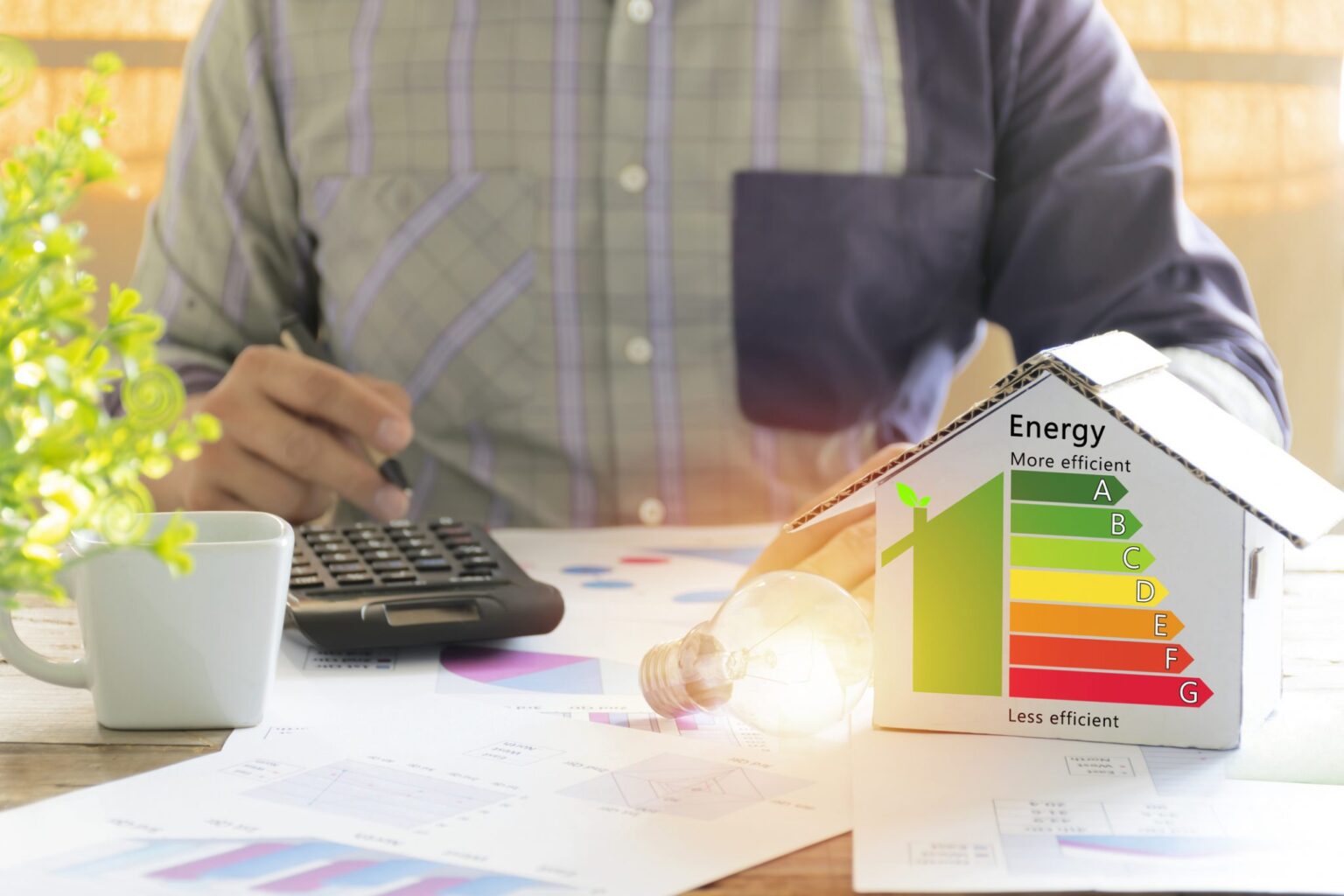
And that shift is increasingly manifesting itself in buyer behaviour. Clare Coode, also a Partner at Stacks, says clients now routinely prioritise EPC ratings when reviewing properties, with some even deviating from their original brief to view homes with top-tier energy performance. What was once a rarely discussed metric has become a key decision-making tool.
For investors, the issue is particularly acute. The cost gap between efficient and inefficient homes is widening, not only in terms of energy bills but also future compliance. Rental properties are currently required to have a minimum EPC rating of E, rising to C by 2030, reinforcing the long-term value of upgrading stock or acquiring more efficient assets.
A recalibration of risk
In practice, it is already influencing purchasing decisions in second-home markets. Buyers are increasingly reluctant to invest in properties with low EPC ratings unless there is a clear and cost-effective route to improvement. This is part of a far broader recalibration of risk, with energy inefficiency now seen as a liability rather than a negotiable drawback.
At the same time, demand for energy-saving technologies is rising. Greenwood highlights growing interest in solar panels, heat pumps and other efficiency upgrades as households look to reduce exposure to volatile fossil fuel costs. Properties that already incorporate these features are benefiting from stronger demand and offering more predictable monthly outgoings.
Not all EPC improvements require significant capital outlay
For landlords and owner-occupiers alike, improving an EPC rating does not necessarily require significant capital outlay. Coode highlights a range of low-cost interventions, such as LED lighting, draught proofing and hot water cylinder insulation, which can deliver measurable gains. Insulation, though, remains the most effective starting point, particularly in older housing stock where heat loss is a bigger issue.
More substantial upgrades, including modern condensing boilers, double or triple glazing, and low-carbon heating systems, can further enhance a property’s energy performance rating, although these require greater upfront investment. Smart heating controls are proving popular, as they help households manage energy use more efficiently while contributing to improved EPC scores.
Professional advice is becoming another key part of this process. Louise Ridings, Partner at Stacks, says many homeowners are turning to specialist EPC consultants to assess improvement options and their associated costs. This allows sellers to enhance ratings before marketing or provide buyers with a clearer roadmap for any required upgrades.
With rising fuel prices, energy efficiency is no longer a secondary consideration for investors but a core component of asset performance, influencing demand, compliance and operating costs.