
Rightmove reports rising borrowing costs and inflation pressures are limiting growth, but activity levels suggest the housing market is adjusting to the conditions rather than contracting.
Because it is based on asking prices at the point properties are listed, Rightmove’s House Price Index provides the most up-to-date view of the current market conditions of any of the indices. Halifax and Nationwide’s figures, on the other hand, are based on completed sales, which typically lag Rightmove’s by two to three months.
As a result, they are providing the first real indications of how geopolitical tensions in the Middle East and the resulting upward pressure on inflation and borrowing costs are impacting the housing market.
Asking prices up
The data shows that, so far, the UK housing market is proving remarkably resilient. Average asking prices rose by 0.8% (+£2,929) in April to £373,971, although that is a more modest increase than is typical for this time of year.
Demand is also slightly softer than normal, with buyer enquiries running 7% below the same period last year. However, the number of sales agreed is just 3% behind April 2025, suggesting transactions are continuing even though fewer buyers are entering the market.
Colleen Babcock, Property Expert at Rightmove, says: “Some buyers will be feeling cautious due to cost of living and mortgage rate increases. However, the latest data shows that, at least for now, home-movers are largely showing their usual resilience with their housing needs trumping other events… the overall market currently remains resilient.”
Affordability pressures
Although affordability pressures are a key factor in the market at the moment, they are being offset to a certain extent by wage growth, which is running at around 3.9% annually, and by more flexible lending criteria, which together have increased buyers’ borrowing capacity.
At the same time, however, the number of new homes coming to market is at an eleven-year high for April, increasing competition among sellers and giving buyers greater choice. Alongside this, higher borrowing costs — driven by inflation concerns and rising energy costs— are constraining how far buyers’ finances can stretch.
Rightmove’s data shows that top-of-the-ladder homes recorded price growth of 2.4% in April, compared with 0.2% for first-time buyers and 0.4% for second-steppers.
Higher borrowing costs
This is a reflection of the impact higher borrowing costs are having in the different market segments, with those sectors where buyers are more mortgage-dependent seeing considerably lower price growth.
According to Babcock: “With mortgage rates remaining elevated due to the war in Iran, it’s not a surprise that price growth is proving strongest in parts of the market less exposed to higher borrowing costs…”
Despite the housing market’s resilience, it is not immune to global events, and with the situation in the Middle East continuing to evolve, the outlook for borrowing costs — and in turn housing market activity — remains highly uncertain.
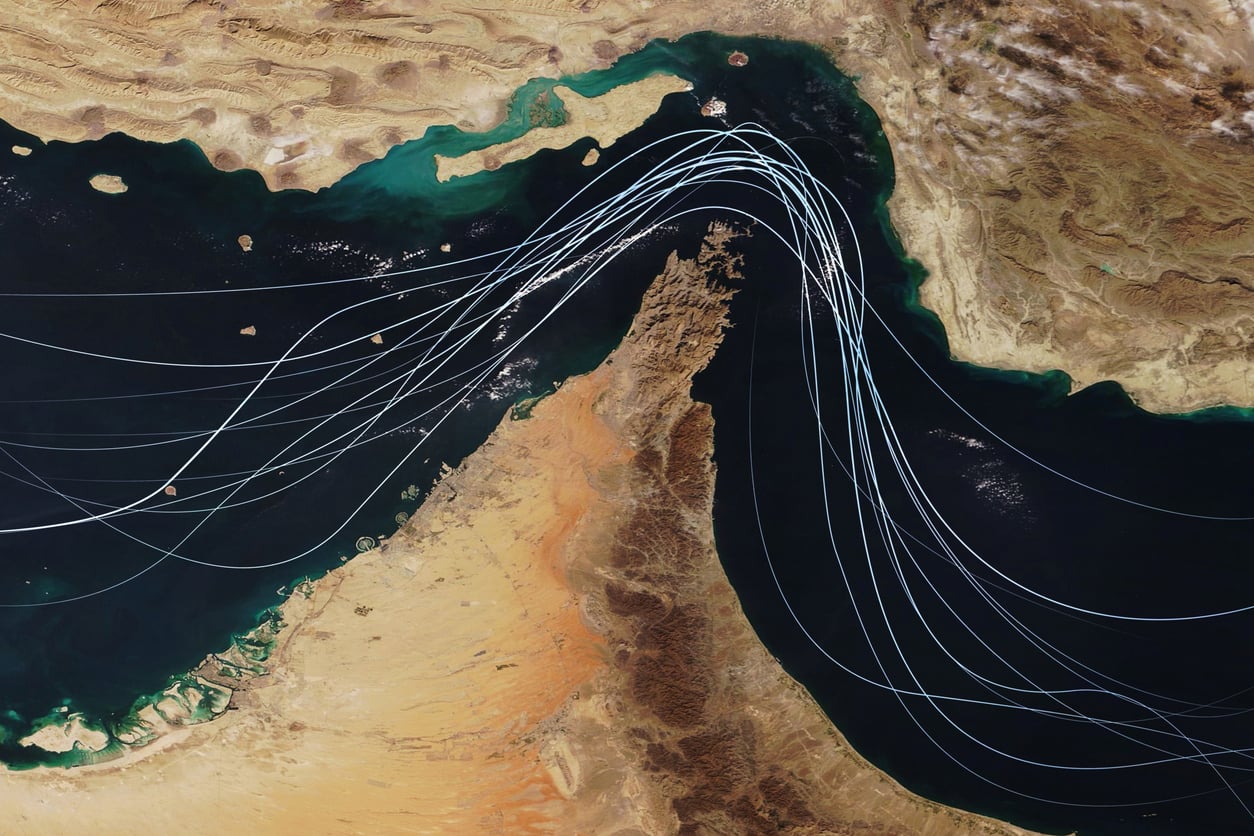
And those conditions have shifted once again, with oil prices falling sharply after Iran announced that the Strait of Hormuz would remain open to commercial shipping during a ceasefire period. Brent crude dropped below $90 a barrel from above $98 earlier in the day, having previously surged past $100 during the conflict.
The Strait has now been closed once more, although any sustained easing in energy prices is likely to quickly feed through to inflation expectations, which could in turn reduce pressure on the Base Rate and mortgage costs.