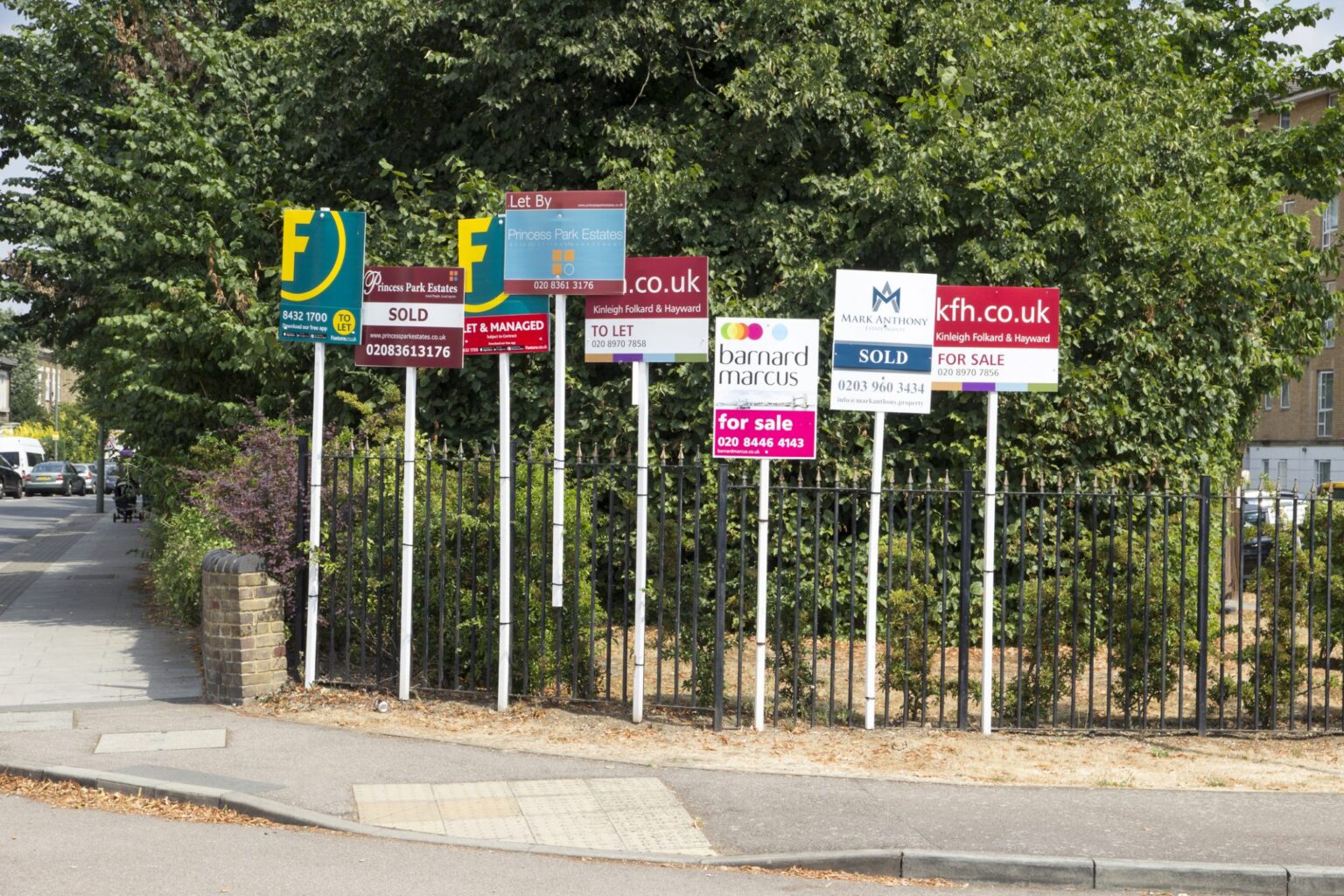

The UK housing market is currently going through a period of uncertainty, with buyers behaving more cautiously and sellers cutting their asking prices.
The latest figures from Rightmove show the average asking price of a newly listed property fell by 2% in August to £364,999, the largest fall recorded at this time of year since 2018.
It means asking prices are now 1% lower than they were a year ago, with the number of homes for sale at a 12-year seasonal high and increasing competition between sellers.
There are wide regional variations. Prices were up by 1.9% in the North West over the last 12 months, but down by 3.1% in London.
Why are UK house prices falling?
Some of the slowdown can be attributed to the usual summer distractions, compounded this year by the World Cup and the unusually hot weather. Buyers and sellers, though, are also having to contend with higher mortgage rates, renewed inflationary pressures, the conflict in the Middle East and questions over the new government’s plans for housing and taxation.
Nathan Emerson, CEO at Propertymark, the professional body for property agents, says the subdued market is affecting confidence.
“The UK’s housing market is central to the country’s economic engine, so any fall in house prices can naturally create a sense of nervousness among sellers, especially when looking at the figures year on year.
“While short-term fluctuations are a normal part of the property market, they can influence confidence and lead some homeowners to delay decisions until there is greater certainty about the direction of the market.
“It will, however, be a case of closely watching how matters progress over the coming months, as significant uncertainty remains, particularly when considering the wider global economy.”
Where next for mortgage rates?
Moving forward, one of the key factors for the housing market will be what happens to borrowing costs.
Mortgage rates have fallen considerably from their 2023 peaks following Liz Truss’s disastrous mini-Budget, but much of the progress made earlier this year has been undone by the outbreak of hostilities in the Middle East.
According to Moneyfacts, the average five-year fixed mortgage rate has risen from 4.95% before the outbreak of the conflict at the end of February to 5.66% in August.
And although the Bank Rate has remained at 3.75% for five consecutive meetings, three members of the Bank of England’s Monetary Policy Committee voted for an increase to 4% in July.
The financial markets are currently pricing in the risk of higher interest rates, despite most economists still expecting the Bank Rate to remain at 3.75% for the rest of this year. The difference reflects the ongoing uncertainty over whether Donald Trump can resolve the conflict with Iran, and what that will mean for energy prices and inflation.
As a result of those higher energy costs, the latest UK inflation figures show CPI rose from 2.6% to 2.9% in July. The increase was expected, and the Bank of England is predicting inflation to rise further, peaking at around 3.2% later this year before falling back again.
The picture could quickly change, though.
Bank of England Governor Andrew Bailey says: “If the conflict in the Middle East persists for an extended period, for example, and we begin to see signs of emerging second-round effects, it’s likely that we will have to tighten policy to counter inflationary pressures in the UK economy.
“Similarly, if the conflict is credibly resolved in the coming months, the paths would point to a looser policy stance than implied by the market curve. But we do not know how the future will play out, or indeed, if it will play out in a way that resembles any of these projections and scenarios. And that’s because the situation in the Middle East is highly uncertain.”
Waiting for the Budget
The other big unknown is what is in the new government’s Budget in October.
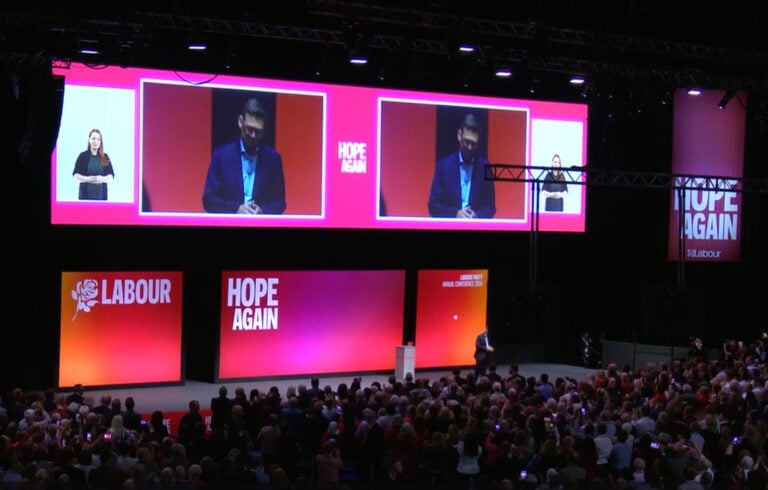
Andy Burnham did not come to power after a general election and has no manifesto setting out his policies. He only returned to Parliament in June and became Prime Minister the following month, which has led to considerable uncertainty over what approach his government might take and what impact it might have on the economy.
There is no doubt that Burnham has some very ambitious plans, but he has inherited tight public finances and high government borrowing costs. As Chancellor John Healey has pledged not to raise income tax, VAT or national insurance and to stick to the existing fiscal rules, it leaves open the question of where the money is going to come from. The financial markets will therefore be watching the Budget closely.
If the government significantly increases borrowing or fails to convince investors that its plans are affordable, its borrowing costs could rise, exerting yet more upward pressure on interest rates and mortgages.
One area that could provide some of the extra revenue is property, especially since Burnham has talked about shifting more of the tax burden away from earnings and onto wealth and assets. What is less clear is what this might mean in practice. Speculation has included possible changes to capital gains tax and council tax, including reports that the £2 million threshold for the new High Value Council Tax Surcharge could be reduced to £1.5 million.
Any changes to property taxes could damage demand, create distortions around particular price points or affect when people decide to sell.
This speculation is making the housing market more cautious, so when the Budget comes on 28th October, it should at least bring some more clarity.
A resilient market
Despite all the headwinds, the housing market is proving to be remarkably resilient and, with prices falling by just 1% over the last year, there is no sign whatsoever of a house price crash.
In addition, once the Budget is out of the way and there is any sign of improvement in the Middle East, inflation and interest rates could fall, and the outlook for the housing market will rapidly improve. If, on the other hand, the current conditions persist, we could see a period of stagnation.