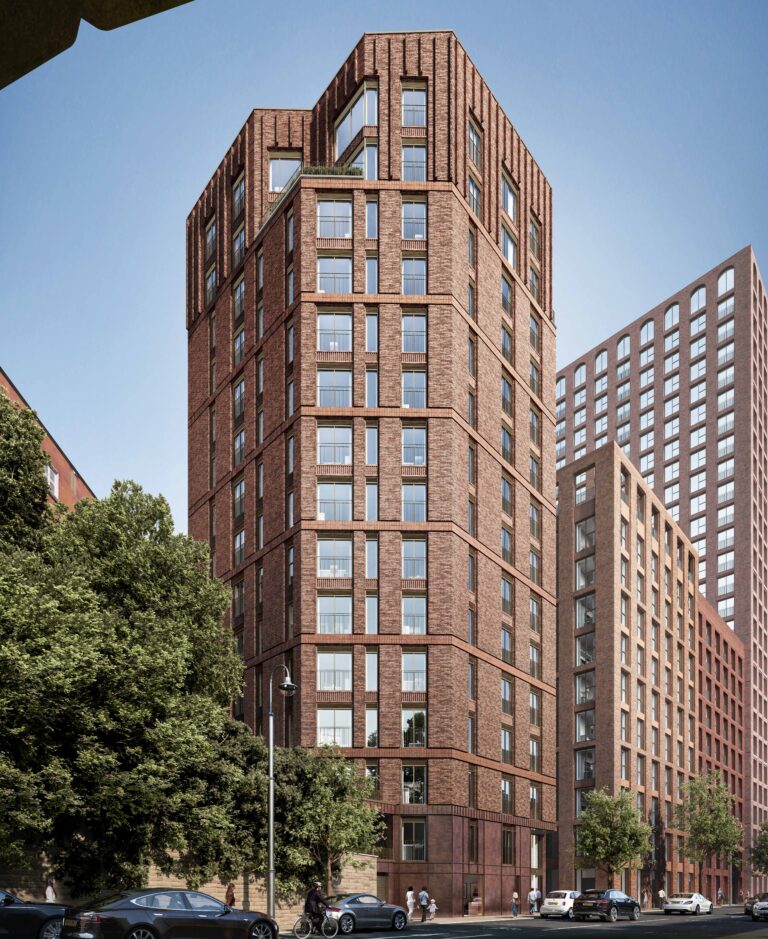

Homes that can accommodate people at any stage of life, whether or not homeownership is the end goal, are gaining greater traction among property investors.
Over recent years, there has been a marked shift away from homeownership as an end-goal for many people, with both affordability and lifestyle choices influencing this trend. While affordability remains a key challenge for many would-be buyers – exacerbated by a more difficult borrowing landscape as well as continued house price rises – a major shift in the buy-to-let sector has also changed attitudes towards renting.
Co-living and purpose-built build-to-rent options have surged in popularity, creating a new way for people to rent that is far removed from traditional buy-to-lets. Particularly in city centres but increasingly in key commuter locations, developers and property investors are creating homes targeting tenants at different lifecycle stages and offering more “added extras”.
The build-to-rent sector has been experiencing a boom for a number of years, with figures showing there are now an estimated 139,132 completed BTR units across the UK. A distinct asset class in the property sector, the developments are created and run exclusively for private tenants and designed to meet modern standards of living.
The rise in BTR has influenced not only what tenants are increasingly looking for, but also property investment trends. City centre or strong commuter belt new-build developments offering a high standard of living, a modern finish and facilities such as wellness spaces and social hubs have become increasingly popular. Rather than investing in property that tenants may see as a short-term option on their way to homeownership, property investors are prioritising higher-calibre developments that attract longer-term tenants looking for a home across multiple stages of the lifecycle, from young professional through to having a family.
Sián Hemming-Metcalfe, operations director at Property Inspect, said: “The build-to-rent sector is set to be a focal point of growth in the UK property market, and may well become a dominant force in the rental sector. It is highly desirable for tenants who continue to create strong demand for the high standard, superior experience, and ultimate flexibility that BTR offers.
“Because of this strong, steady demand, investors and planning committees see BTR as a ‘safe bet’ and a reliable way of increasing the nation’s supply of good quality rental homes.”
HMOs for any lifecycle stage
Houses in multiple occupation (HMO) also fall under the same bracket in terms of changing attitudes towards renting. These house shares were once viewed as an undesirable option or a means to an end, primarily for young people potentially living away from home for the first time. Now, high-end HMOs are becoming a popular property investment choice, offering a more attractive option ideal for professionals who want a lower rent option with the social benefits of co-living. Location is crucial to a successful HMO, with new HMO developments being created in areas with strong employment prospects, transport links and local amenities.
HMOs can vary from smaller properties with three tenants to larger properties housing five or more households. Tenants sign individual agreements to live there, each with private rooms and shared communal spaces. Some of the benefits of HMOs for property investors include reduced void periods due to multiple tenancy contracts; higher return on investment due to the per-room rental model; a relatively passive income due to high occupancy rates; and a way to maximise opportunities in areas of high tenancy demand.
The HMO market is now worth an estimated £78bn, according to figures from the Office for National Statistics (ONS), generating more than £6.3bn annually in rental income for investors. As a property type, HMO investment offers some of the strongest rental yields available for landlords, but location, property standards and other factors influence the profits that can be made from the sector.
What to watch for 2026
Looking ahead to 2026, affordability challenges and a recovering housing market are likely to mean these trends remain strong in the year ahead. While mortgage rates have decreased over the course of the past 12 months, and the property and rental markets have remained resilient, the rise in higher quality rental options for lifestyle tenants seems set to continue, leading to greater appetite for properties that fulfil this purpose.
Daniel Austin, CEO and co-founder at ASK Partners, believes residential, build-to-rent and co-living will be opportunities to watch in the year ahead.
“Buyer appetite is expected to soften due to higher taxation, reduced ISA allowances and the absence of stamp duty reform,” he said, referring to the recent Autumn Budget announcement. “Despite this slowdown, the UK remains structurally undersupplied in housing.
“With so many smaller landlords exiting the sector due to increased costs and regulatory complexity, professionally managed rental formats are becoming more important. Build-to-rent and co-living are particularly well positioned to serve younger, mobile workers who seek affordability, connectivity and community.”
He also noted that “mid-market suburban and commuter belt schemes may outperform prime central locations, especially in areas benefiting from new infrastructure”, and this has been another key and growing trend in recent years. Particularly as affordability in city centres has become more challenging for both buyers and renters, many commuter towns have seen strong redevelopment and regeneration bringing a greater quantity and quality of employment prospects, leading to housing investment.
Property investors who adapt their focus towards lifestyle or lifecycle living – catering to a variety of tenant types who do not see homeownership as their end goal – may be looking to shift their focus towards projects offering a higher standard of living, with additional amenities and a strong appeal for long-term tenants.