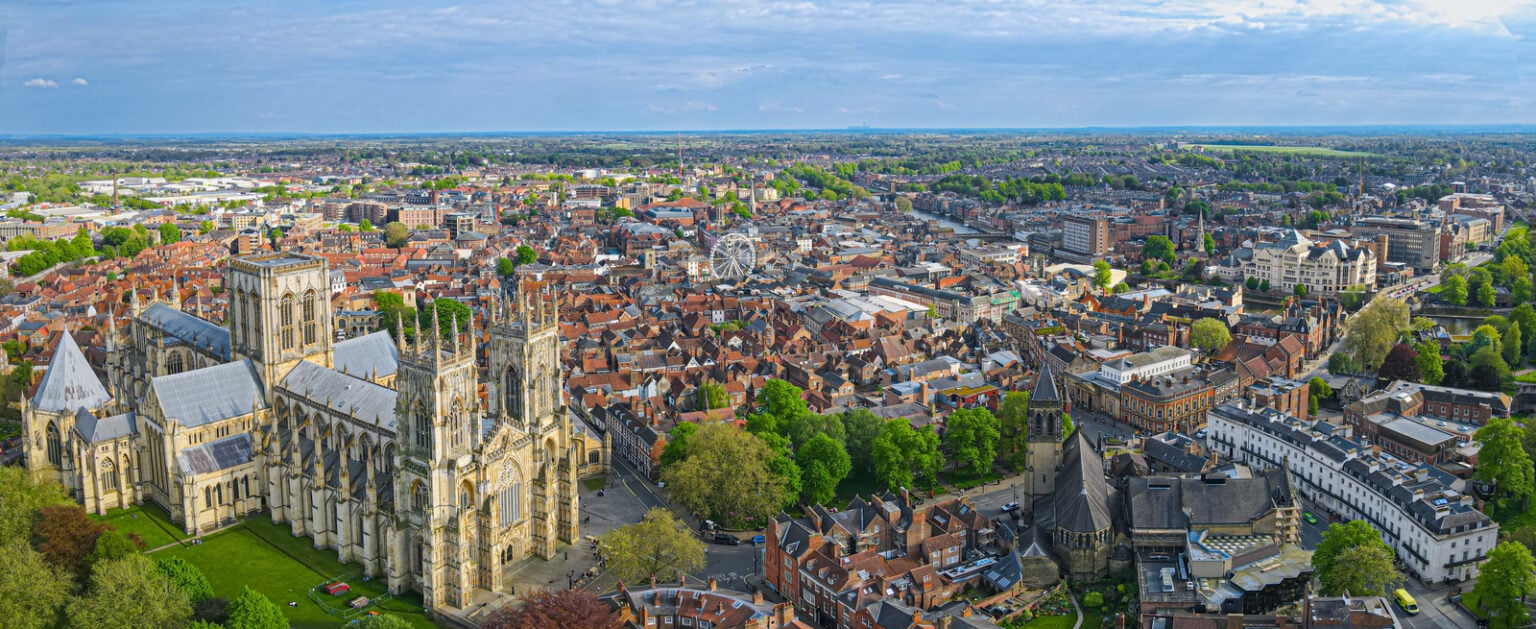

York’s housing market is characterised by its historic centre, limited development space and consistent demand, which together make it one of the most high-value locations in the North of England.
With a population of around 202,800, the city combines a strong local economy with national appeal, driven by tourism, education and a growing professional services sector. Its compact layout and strict planning controls have helped preserve its character, but they also restrict new housing supply, which puts upward pressure on prices.
First and foremost, though, York is a highly desirable place to live and has featured for several years in a row in The Sunday Times Best Places to Live guide, which assesses factors such as transport links, employment, education and overall quality of life. York has also been designated as a UNESCO City of Media Arts and has performed strongly in the Demos-PwC Good Growth for Cities index, on the strength of its well-balanced local economy.
According to the latest Office for National Statistics (ONS) data, the average property price in York is currently around £311,000. Flats typically average approximately £183,000, while semi-detached homes are closer to £332,000, with terraced properties around £290,000 and detached homes approximately £510,000, demonstrating strength across all property types.
Steady price growth
Annual price growth has been steady rather than rapid, at approximately 2.0% year on year. This compares favourably with London, where growth has been more subdued at around 0–1%. York also offers a lower entry point for investors, with property prices typically around 40% below those in the capital.
The city’s rental demand is supported by a combination of tourism, a growing professional workforce and a large student population. Average monthly rents are approximately £1,172, increasing by around 5.5% year on year.
Yields are generally around 4–5%, with a market characterised by constrained supply and sustained demand, which together offer long-term stability.
Diverse economy
York has a diverse economy from rail to healthcare, education, technology and public sector employment, which means there is a strong and stable core of tenants and homeowners. The city also benefits from its proximity to Leeds and good rail links to London and a number of other major cities, which means it is also home to a significant number of commuters.
Higher education adds another layer of housing demand. The University of York and York St John University together support a substantial student population, with a proportion of graduates remaining in the city, enhancing the quality of the area’s workforce.
Carefully planned regeneration schemes
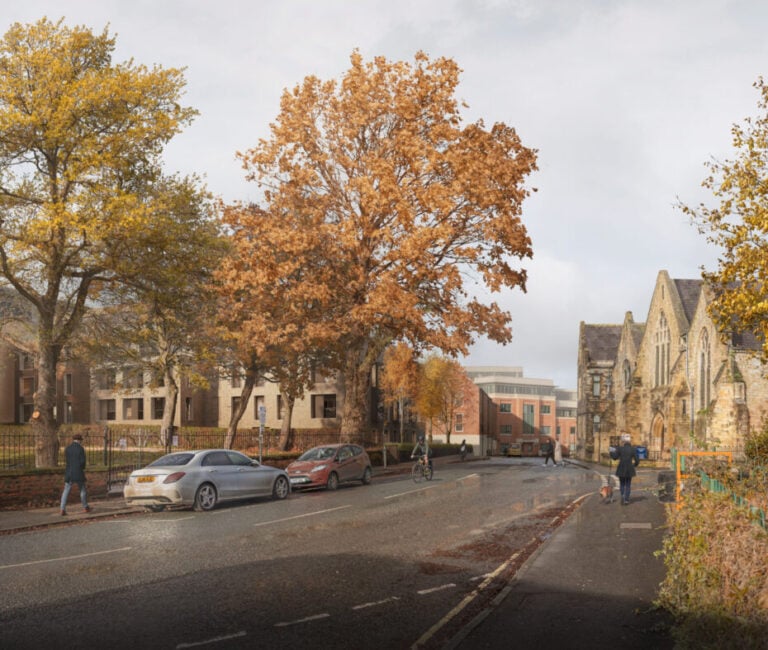
By its very nature, regeneration activity is more measured than it is in larger cities, but it is still an important factor. Development is mainly focused on a number of carefully planned schemes that align with the city’s historic setting. York Central, one of the largest brownfield regeneration sites in the UK, is expected to deliver around 2,500 homes, up to 6,500 jobs and significant commercial space over the long term, helping to expand the city while maintaining its character.
Additional investment across infrastructure and public realm is boosting the economic growth of the city, improving its connectivity and enhancing the city’s already substantial appeal.
When all these factors are combined, York provides a unique blend of constrained housing supply, economic stability and sustained demand, making it a highly attractive location for property investors.