
Investors are increasingly focusing their attention on the regions in 2026. Areas such as the Midlands and the North have been significantly outperforming the South’s housing markets, and because they have come from a much lower base, they are also far more affordable.
Nationally, rental supply remains tight, and rents are rising, up around 6% year-on-year, while available stock is still roughly 20% below pre-pandemic levels. In parts of London and the South East, affordability limits are already beginning to cool rental growth. In the regions, however, rents still have some way to go before reaching that ceiling.
House prices have followed a similar regional pattern. National growth has flattened, but prices in the major cities in the Midlands and the North continue to edge upwards, whilst also remaining far more affordable.
So, if you are weighing up the Midlands against the North, which has the best investment potential? To compare the two, we look at how the housing markets are performing in two of their principal cities, Birmingham and Manchester.
Birmingham
Birmingham is known as the UK’s second city and has one of the country’s biggest property markets. Its wider urban area has a population of around 2.6 million alongside a large student base and a workforce that’s spread across finance, logistics, manufacturing and professional services.
Its central location, right in the heart of the country, provides it with a natural advantage. It is why it has become a major road and rail hub, providing fast links to key cities in both the North and South. Major corporations, including HSBC UK, Deutsche Bank and Goldman Sachs, have all expanded their operations, and HS2 Ltd is headquartered there.
Birmingham is also in the middle of one of the largest regeneration programmes outside London, with tens of billions of pounds of combined public and private investment flowing into transport, commercial districts and city-centre redevelopment. HS2 is the most visible example, but it is part of a much wider pipeline of infrastructure and urban renewal that is reshaping large parts of the city.
House prices
Birmingham’s housing market has been one of the strongest performances of any major UK city outside London. Over the past decade, average prices have risen 65–70%, compared with 25–30% in London.
Despite its growth, prices in Birmingham average around £230,000 – less than half London’s £550,000. It is also one of the UK’s more affordable areas, with price-to-earnings ratios of around 4–4.5× income. In London, prices that figure is as high as 9–10× earnings.
Last year, although London’s property market was broadly flat, prices rose by around 1% in Birmingham and are expected to continue rising over the coming year, with forecasters predicting 3–4% annual growth over the next few years.
Rental market
A decade of population growth and limited rental supply mean rents in Birmingham have risen 50–60% since the mid-2010s, compared with 35–40% in London.
Current average monthly rents are £1,080–£1,100, compared with more than £2,000 in London. Birmingham tenants spend around 38% of their take-home income on rent, compared with roughly 48% in the capital.
Over the past year, Birmingham rents rose 4–5% year-on-year and are expected to continue rising, with supply remaining constrained.
Manchester
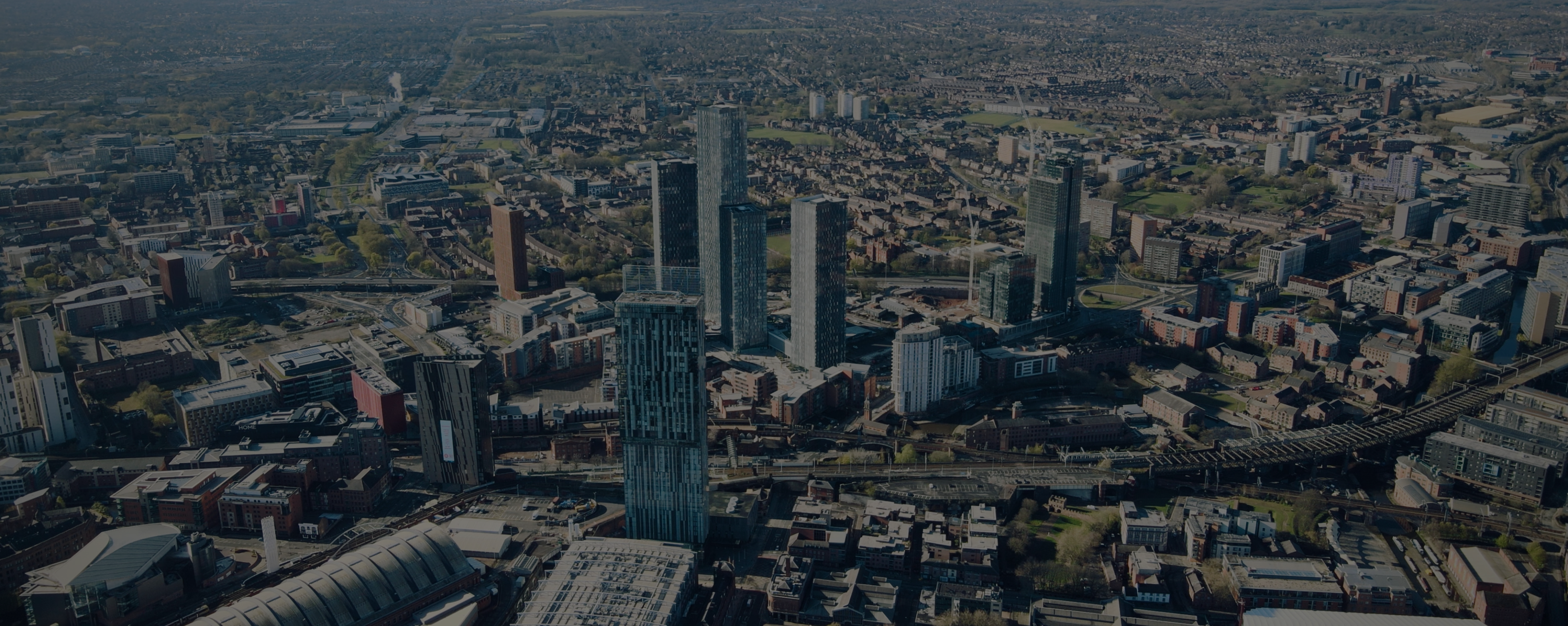
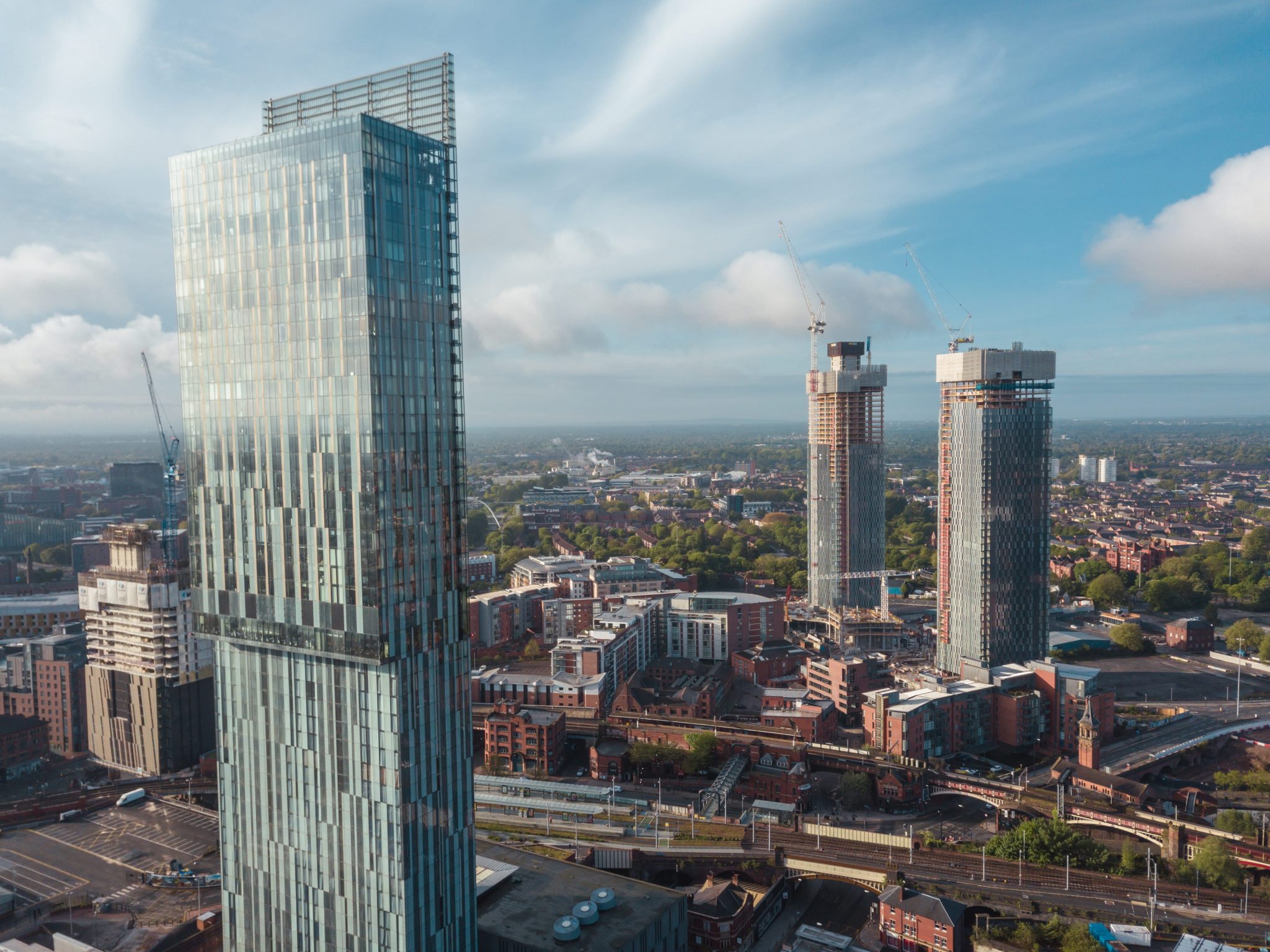
Manchester is another of the UK’s larger regional cities, with a very similar population to Birmingham at 2.8 million. The city has benefitted from tens of billions of pounds of infrastructure and regeneration investment over the past decade, including the expansion of its airport, tram extensions and large city-centre redevelopment zones. It has also recorded some of the fastest commercial growth outside London, with a steady inflow of technology, media and professional firms. Housing demand has followed, with the population growth concentrated in Manchester’s more central districts and resulting in one of the largest and most active rental and sales markets outside the capital.
House prices
Like Birmingham, Manchester’s housing market has delivered one of the strongest long-term performances of any major UK city. Over the past decade, average prices have risen 80–90%, which is higher than Birmingham’s 65–70% and a very long way above London’s 25–30% house price growth.
Its current average price is £255,000, which is less than half London’s £550,000 average, but just under 10% higher than Birmingham’s.
Last year, prices rose by around 5% in Manchester and are expected to continue rising over the coming year, and are forecast to grow 3–5% annually toward the end of the decade, and likely to be toward the upper end of that range.
Rental market
A decade of population growth and limited rental supply mean rents in Manchester have risen 55–65% since the mid-2010s, compared with 35–40% in London.
Current average monthly rents sit at £1,300–£1,350. Manchester tenants spend around 40–41% of their income on rent, compared with roughly 48% in London.
Over the past year, Manchester rents rose 3–4% year-on-year, and the forecast is for those rises to continue as supply remains tight.
So which is best?
Although Birmingham and Manchester are both benefiting from the same regional growth trend, with rising prices, growing populations and high levels of infrastructure investment, they have subtly different investor profiles.
Birmingham combines lower entry prices with strong infrastructure spending and broader affordability. It has delivered steady long-term growth and continues to operate from a lower base, which leaves more room for both price and rental expansion without the same affordability pressure seen in the South. In addition, Birmingham’s central location ensures it has a wider national commuter and logistics appeal than all the other regional cities.
Manchester, on the other hand, has recorded faster price growth and higher rental levels, driven by concentrated city-centre demand and large-scale urban investment. The trade-off is that affordability is tightening more quickly and competition for stock is stronger. Manchester’s regeneration pipeline, though, is larger and more city-centre focused than its Midland cousin’s, with infrastructure and private investment continuing to concentrate demand into high-density urban districts.
Put simply, Birmingham offers affordability and headroom, while Manchester offers stronger recent momentum and higher rents.