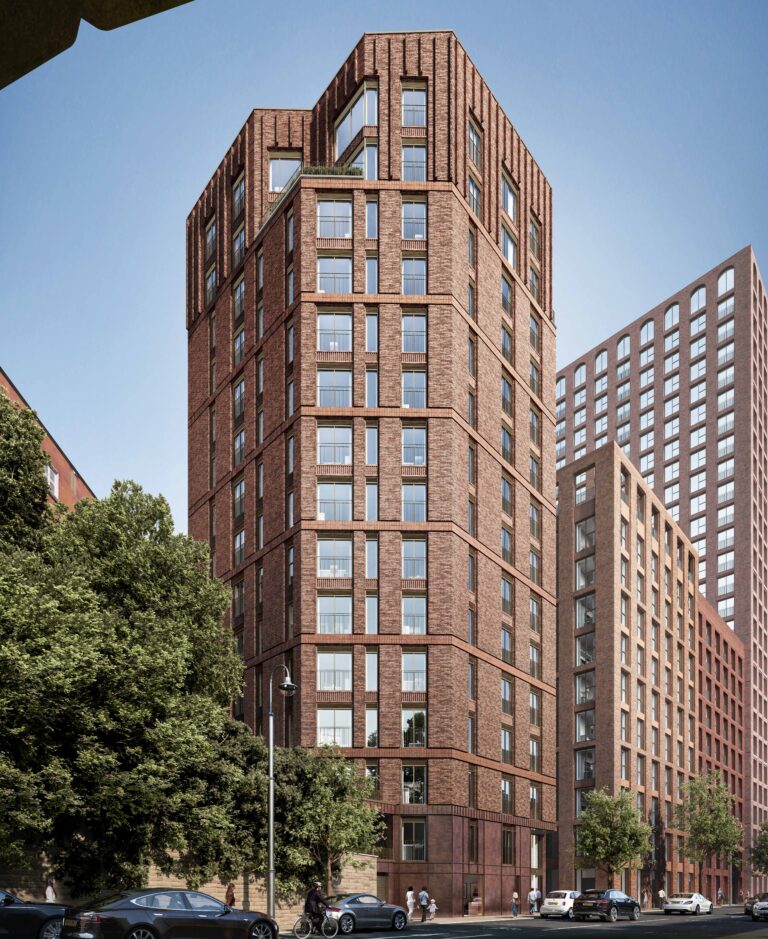

Using insights from local letting agents, The Telegraph’s Samantha Partington has produced an in-depth analysis of Manchester’s buy-to-let market, profiling its neighbourhoods, examining how tenant demand varies across the city, where landlords are currently achieving the strongest yields and the areas where investment can prove more challenging.
Manchester’s private rented sector serves a broad mix of tenants, including international and domestic students, young professionals, sector-specific workers and families, with each group tending to cluster in different neighbourhoods.
According to the agents, modern city-centre developments tend to attract young professionals, particularly in regeneration districts such as Deansgate, the Northern Quarter and Great Jackson Street. Their attraction is that these areas combine new apartment schemes with proximity to offices, nightlife and major transport links.
Unsurprisingly, student demand is concentrated around Manchester’s universities. Fallowfield and Hulme are established student districts, with vibrant local nightlife and transport connections into the city centre.
International students, on the other hand, prefer newer high-rise developments in the city centre’s Southern Gateway area, which runs from Oxford Road towards Old Trafford. Letting agents cited in the report say their demand levels typically rise sharply in August as overseas students arrive ahead of the academic year.
Family tenants
Family tenants are more commonly found in the Greater Manchester borough of Trafford, including Altrincham and Sale, attracted by access to schools and good commuter links. Didsbury and Chorlton also attract family renters, although property prices there tend to be higher.
According to the agents interviewed, rental yields in Manchester vary significantly between the different property types.
They say new-build city-centre apartments typically deliver yields of around 5.6% to 6%, with a two-bed apartment costing roughly £400,000 and generating rents of about £2,000 per month.
Older apartments, they add, though, can produce higher rental yields. Properties valued at around £230,000 and renting for approximately £1,400 per month can generate returns of 7% to 8%.
Beyond the city centre
Beyond the city centre, other markets offer comparable returns. Central Stockport, for example, delivers yields of around 6%, while student Houses in Multiple Occupation in Fallowfield can achieve as much as 7% to 8%.
However, agents say planning rules may affect HMO investment strategies. Manchester operates Article 4 restrictions in many areas, meaning landlords must obtain planning consent before converting a single home into a house in multiple occupation.
There are also several areas where agents have recently seen a marked rise in investor interest.
Stockport town centre is undergoing a £1bn regeneration programme, while rail connections mean it is just 10 minutes by train from Manchester city centre. Nearby Edgeley, in the SK3 postcode, contains rows of two-bed terraces priced around £200,000 to £220,000, with rents typically between £1,000 and £1,200 per month.
South Manchester’s Wythenshawe is another area attracting attention at the moment. Transport links include a Metrolink tram station and the expanded A555 road, providing direct access to Manchester Airport and surrounding employment areas. Two-bed terraces in the area cost around £250,000 and rent for roughly £1,000 per month.
Converting larger Victorian properties
Agents add that converting larger Victorian properties in parts of South Manchester into multiple apartments is also proving popular, where yields of more than 8% are possible.
Partington’s report also reveals the areas where buy-to-let returns are not so lucrative.
High purchase prices in locations such as Hale limit rental yields. Two-bed terraced houses start at around £500,000, but rents are not at the same level.
In addition, some northern Manchester districts, including Moston and Miles Platting, are undergoing regeneration but continue to face social challenges that are affecting investor demand.