
Falling mortgage costs will boost activity and confidence in the housing market this year, but regional divisions will increase.
Last year, much of the housing market was driven by uncertainty over tax and government policy. The return of higher stamp duty thresholds in April triggered a rush to complete transactions before larger bills took effect, but it did not last. By early summer, activity had slowed again.
It was then followed by speculation over what was in the Chancellor’s November Budget, which went to dominate the rest of the year. Buyers and sellers hit the pause button as rumours circulated about capital gains increases, council tax reform and new levies on property.
When the Government eventually confirmed its new charges on higher-value homes and changes to property income tax, they were less draconian and at lower levels than many had expected and confidence began edging back.
The focus has now turned to what will happen to the housing market in 2026.
Modest growth expected, but no return to boom conditions
Prices are expected to rise this year, the increases, though, are likely to be limited.
Nationwide has predicted that UK house prices to rise by between 2 per cent and 4 per cent in 2026, helped by lower mortgage rates and incomes growing faster than prices. Halifax, is forecasting price growth of around 1 per cent to 3 per cent but highlights weaker wage growth and a softer labour market.
Savills reined back on its earlier, more optimistic forecasts and is now expecting prices to rise by around 2 per cent. Zoopla is a little more conservative, predicting growth closer to 1.5 per cent.
None of these forecasters are suggesting a rapid post-budget recovery, with affordability still stretched, despite the fall in mortgage costs, and the wider economic outlook remaining uncertain.
Ongoing regional divide
As in recent years, where you live is likely to be one of the key to the scope and the scale of any movement in house prices.
Lower-priced areas are likely to have the strongest growth momentum. In Scotland, Wales and much of northern England, the gap between wages and average house prices is less pronounced, leaving more room for increases. The same is true across large parts of the Midlands, where entry prices remain well below those in the South.
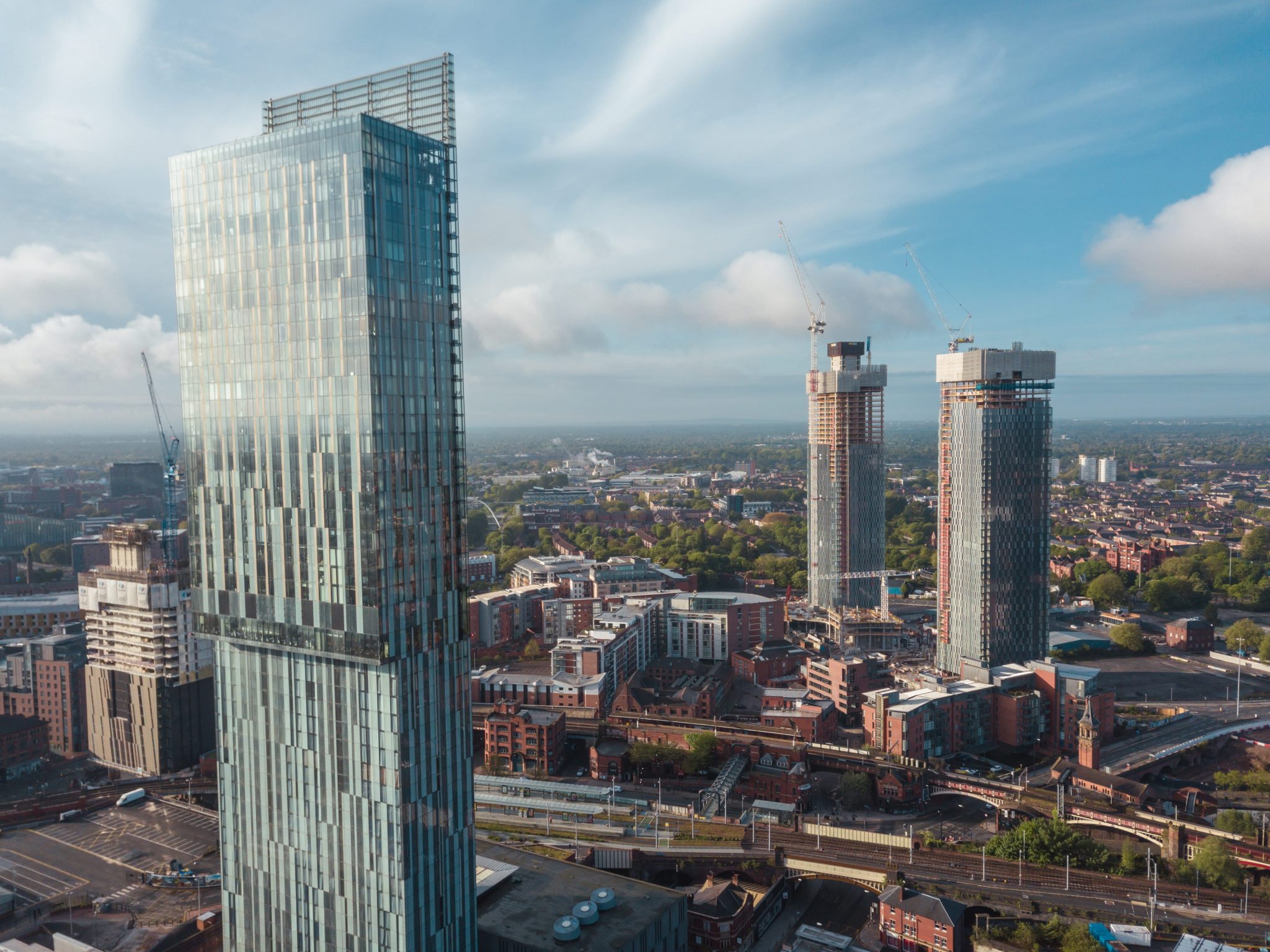
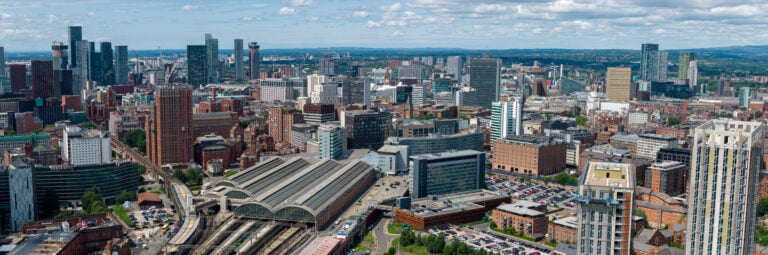
According to Rightmove, cities such as Manchester and Liverpool are expected to be among the stronger-performing markets in 2026, having ranked among the most-searched UK cities on the site in 2025 – a trend it expects to continue in 2026.
It’s a very different story in London and the South East. Here, higher prices, larger stamp duty bills and recent tax changes are weighing more heavily on activity, particularly at the upper end of the market.
First-time buyers back in play
Conditions for first-time buyers are more favourable than they have been for several years.
Mortgage rates have fallen from their peak and lending criteria has eased, improving borrowing capacity. At the same time, wage growth has been outpacing house price growth, helping improve affordability, particularly in the lower value regions.
First-time buyers accounted for close to two in five moves last year and are expected to remain key drivers of the market in 2026, especially outside of the more expensive regions and areas.
There are still some constraints, though. Mortgage rates remain well above the lows of the early 2020s and saving for deposits remain a hurdle for many aspiring homebuyers. But, even so, compared with recent years, buyers at the lower end of the market now have considerably more room for manoeuvre.
The top end remains under pressure
Conditions look very different at the upper end of the market.
Although the new annual charges on homes valued at £2 million or more does not come into effect until 2028, it is already shaping buyer and seller behaviour. Their expected costs are being factored into negotiations, slowing activity and creating significant price sensitivity around all the new thresholds.
Agents report that asking prices are increasingly being set just below those levels and buyers are delaying decisions on properties priced too close to them. Because higher-value homes are heavily concentrated in London and the South East, the impact of these changes is being felt most acutely in those markets.