
As voters head to the polls in the Makerfield by-election, Andy Burnham has pledged to reinstate the cancelled section of HS2 between Birmingham and Manchester if he becomes prime minister.
Speaking to the i newspaper, Burnham said: “The lack of high-quality rail infrastructure in the North of England holds back its growth potential.
“If you put that infrastructure in, it lays the foundations for higher growth.”
Cancelled by former Prime Minister Rishi Sunak
The Birmingham-to-Manchester section of HS2 was cancelled by former Prime Minister Rishi Sunak in 2023. At the time, Sunak said the decision would free up £36bn for alternative transport projects.
Burnham said he would fund the scheme using a model similar to the one used for Crossrail in London, combining public and private sector contributions rather than relying solely on Government funding.
“If you go back, I put the funding package together for Crossrail, and it was actually a package that did have contributions from business and residents.”
£7bn private sector Crossrail contribution
The private sector contributed almost £7bn towards Crossrail through a business rates supplement and the Mayor’s Community Infrastructure Levy, which was charged on developments expected to benefit from the project.
Burnham also suggested that part of the increase in land values around new stations could be used to help fund future infrastructure.
He said: “You don’t take all the windfall off the landholder, but you share the proceeds of that windfall, and the increase in land values created by the infrastructure is captured to pay back the cost of the infrastructure.”
Support from the rail industry
Support for the proposal has also come from the rail industry. Huw Merriman, Chair of the High Speed Rail Group, said reinstating the line would add transport capacity to and from the North while helping to deliver a more balanced economy.
“A new connection between Birmingham and Manchester will add transport capacity to and from the North, while also helping to deliver the government’s ambition of a more balanced UK economy.”
Merriman added that HS2’s “greatest value will be realised as part of a wider national network, connecting cities, unlocking capacity for passengers and freight, and supporting growth across the country”.
More than just rail travel.
The project would improve connections between major cities, support economic growth and help unlock housing and commercial development around key stations and transport hubs.
Successive governments, business groups and regional leaders have argued that better links between major cities would make it easier for businesses to recruit, invest and expand, and strengthen economic ties between the North, Midlands and South East.
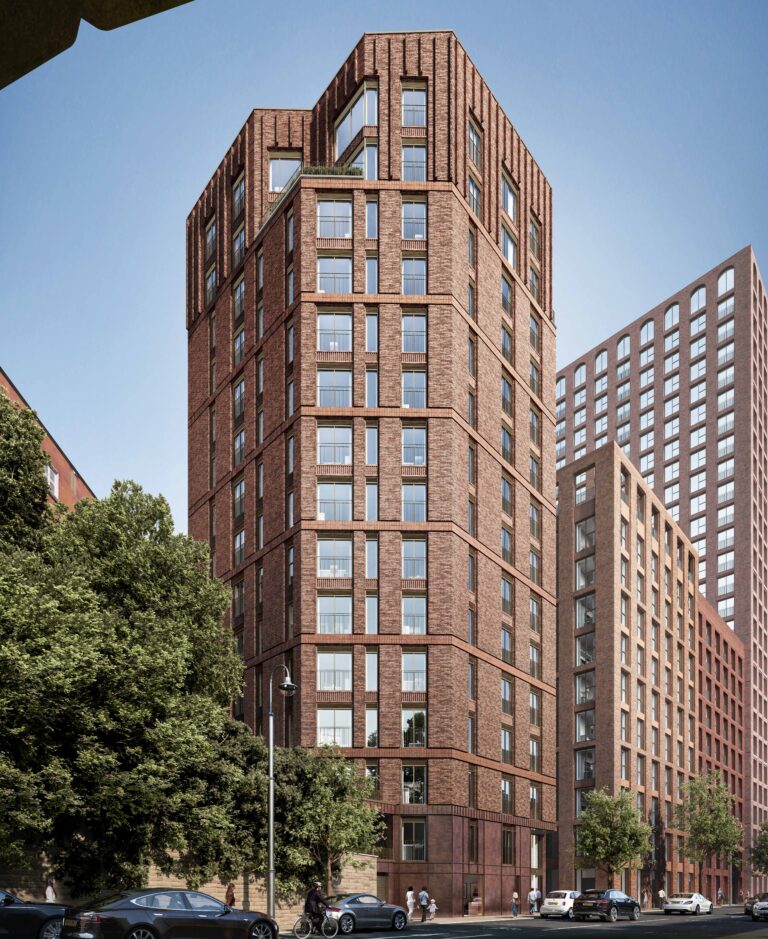
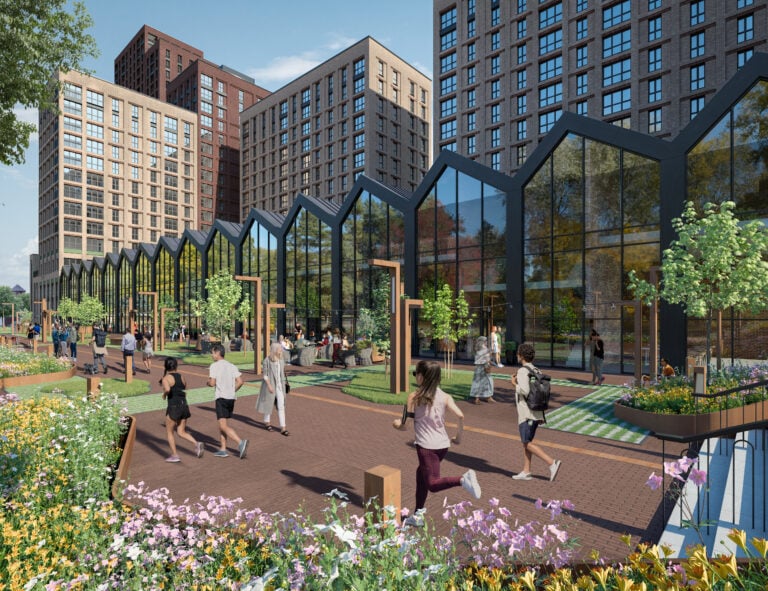
The route was also expected to support wider development around stations in Birmingham, Manchester and other cities, with local authorities and developers planning housing, office and regeneration schemes around future HS2 hubs.
Long-term prospect
Any revival of the northern leg remains a long-term prospect. Last month, Transport Secretary Heidi Alexander said the first HS2 services between London and Birmingham are expected to begin operating between May 2036 and October 2039.
Whatever happens in the election, Burnham’s pledge will reopen the debate over how major infrastructure projects can drive investment and development across the North.
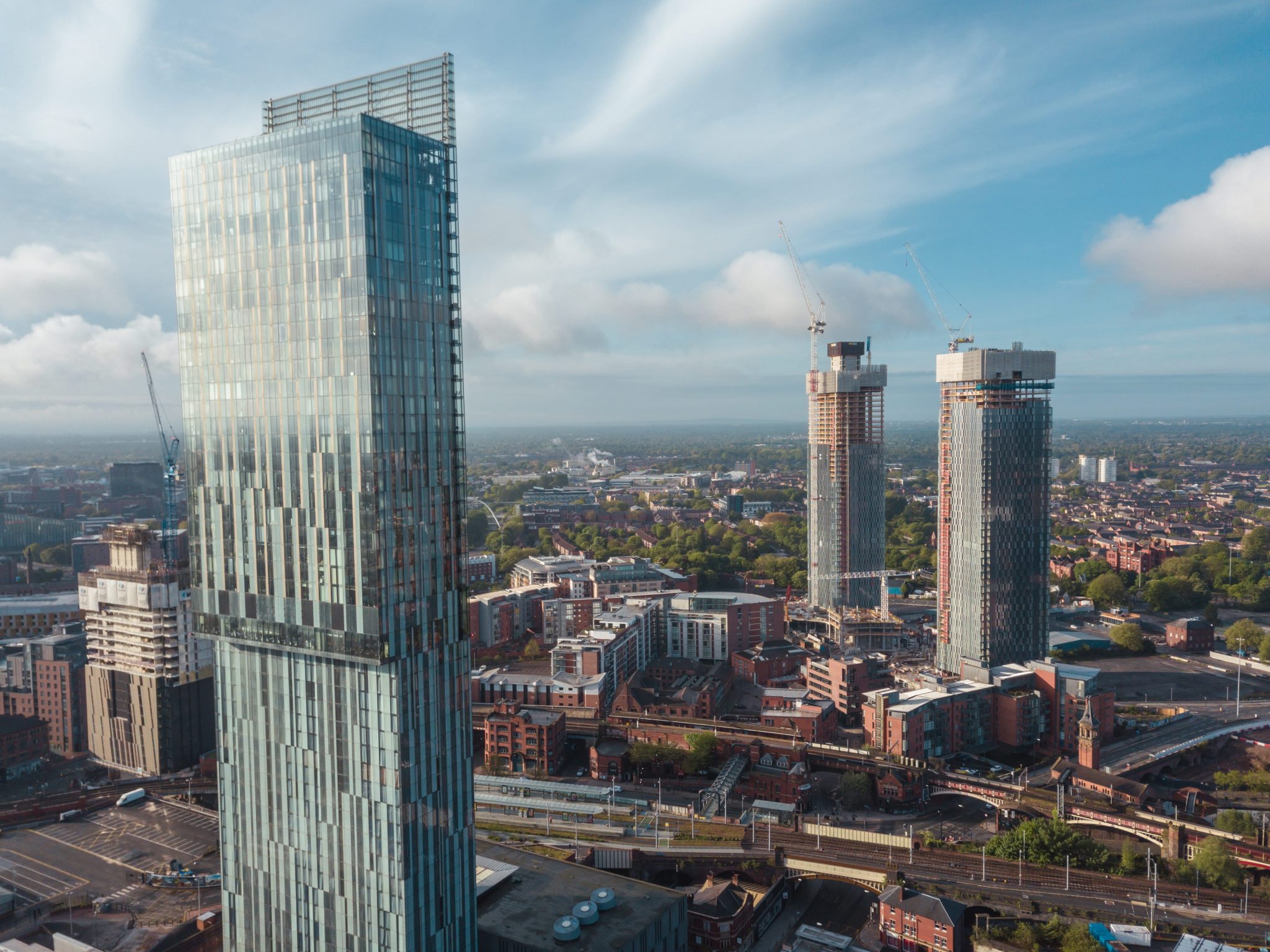
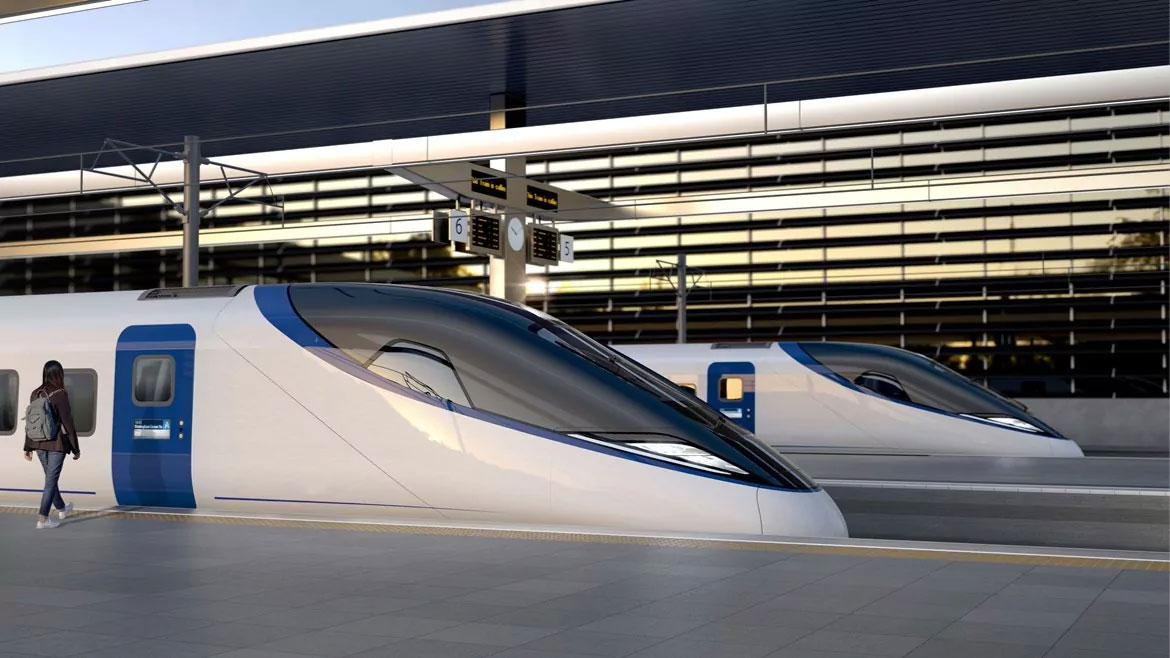
Image: HS2