
Private landlords in England are set to face strict new rules and deadlines for investigating and fixing dangerous conditions in their properties, under plans to extend Awaab’s Law to the private rented sector.
The law already applies to social housing, but the government has now launched a consultation on how it will work for private tenancies.
The changes are likely to come into force in 2027, although the full details and its exact implementation date have yet to be fixed.
What is Awaab’s Law?
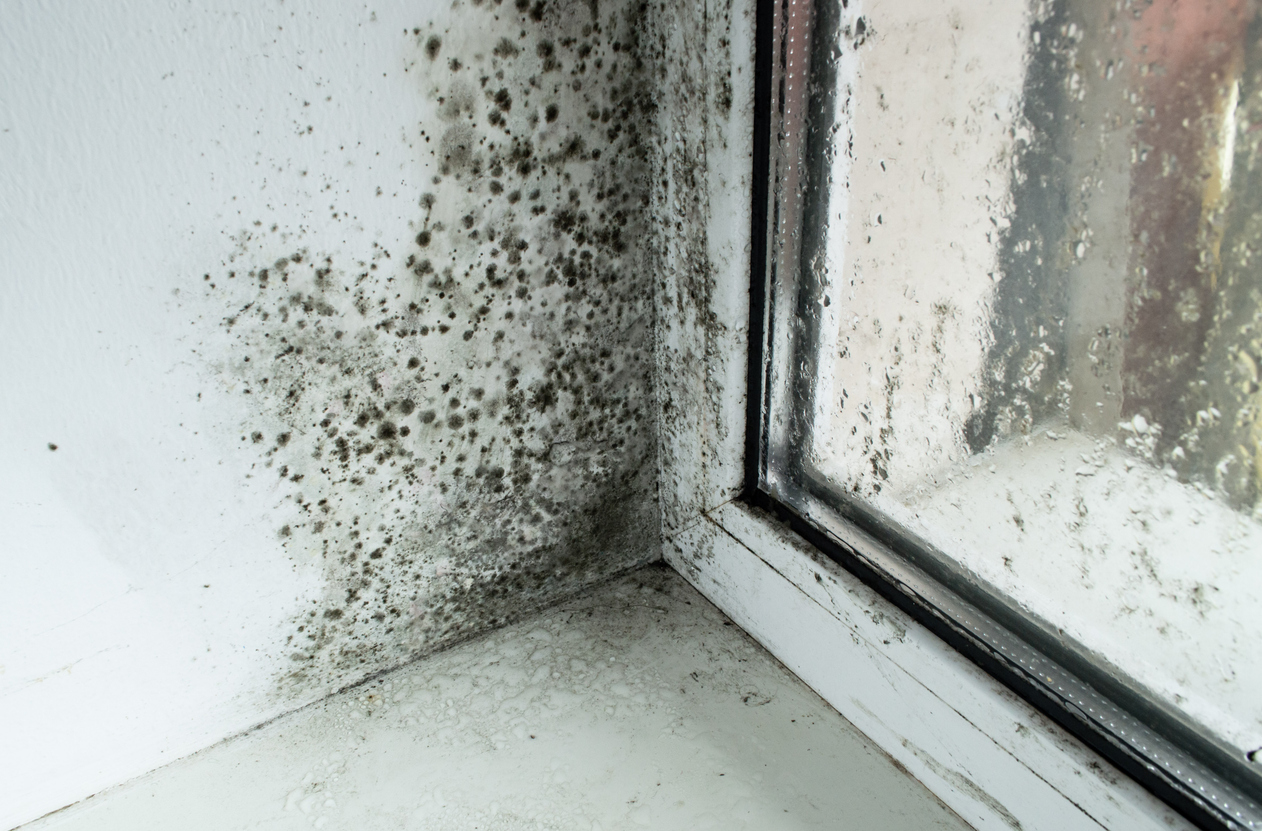
Awaab’s Law is named after two-year-old Awaab Ishak, who died in 2020 following prolonged exposure to mould in his family’s social rented home in Rochdale.
Landlords in both the social and private sectors already have legal responsibilities to maintain safe homes and carry out necessary repairs. The main difference with Awaab’s Law is the strict deadlines it imposes for dealing with potentially dangerous conditions.
What hazards will the law cover?
Although it was damp and mould that drove the original legislation, the proposed rules extend to a much wider range of health and safety risks.
It is likely to cover the same 21 types of housing hazards as social housing, but not overcrowding. There are three main categories:
Health and environment: Damp and mould, excessive cold or heat, asbestos, indoor air pollution, lead and radiation.
Living conditions: Poor hygiene, inadequate water supply, lighting problems, excessive noise and inadequate security against intruders.
Physical safety: Slips and trips, dangerous stairs, falls between levels, electrical faults, fire and explosion risks, burns, collisions and entrapment, and structural collapse.
However, not every maintenance problem will breach Awaab’s Law.
The proposed rules will distinguish between significant hazards that present a serious risk to health or safety and emergency hazards where the danger is immediate.
The landlord’s assessment may also take account of a tenant’s individual circumstances. For example, damp and mould could present a particularly serious risk to someone with asthma.
What will landlords have to do?
Under the existing social housing rules, landlords must:
Significant hazards: Investigate within 10 working days of becoming aware of the problem and make the property safe within five working days of completing the investigation.
Emergency hazards: Investigate and make the property safe within 24 hours.
Written findings: Provide tenants with a written summary of their investigation within three working days of completing it.
Making a property safe, however, does not necessarily mean completing all the repairs. Temporary measures can be used where necessary, and later work done to prevent the problem recurring.
Which issues are still under discussion?
The government recognises that private landlords often rely on independent contractors, whereas larger social landlords may have their own maintenance teams.
It is considering whether this justifies different deadlines or greater flexibility when repairs cannot be completed immediately.
Other questions include whether landlords are obliged to provide alternative accommodation when properties cannot be made safe, and how responsibility should be divided where tenants cause damage or freeholders control repairs.
The government is also considering, as it has in the social sector, introducing the requirements in stages, potentially starting with damp and mould and emergency hazards before extending them to other problems.
The consultation closes on 18 December 2026, after which the government will decide the final requirements and implementation timetable.
What does this mean for landlords?
Once the new rules are implemented, landlords who fail to meet the deadlines could face legal action from tenants. Courts would be able to order repairs, award compensation and require landlords to pay legal costs.
Compensation awards for damp and mould failures in the social housing sector have ranged from hundreds of pounds to more than £8,000 in serious cases.
Landlords are also likely to remain legally responsible even when a letting agent manages their property.
That makes it particularly important to establish clear arrangements for reporting problems, authorising urgent repairs and keeping records of the action taken.
Landlords may also need to review their agreements with managing agents to ensure serious hazards can be investigated and dealt with quickly enough to meet the new legal requirements.