
UK inflation has risen for the second month in a row, adding to the upward pressure on mortgage rates, but there are some good reasons why it may not result in base rate rises.
The Consumer Prices Index (CPI) rose from 2.9% in July to 3.1% in August, according to the Office for National Statistics (ONS), edging it further away from the Bank of England’s 2% target.
Core inflation, however, which excludes more volatile components such as energy and food, remained unchanged in August at 2.6%.
The rise in headline inflation was largely driven by higher energy and transport costs following the conflict in the Middle East, which has disrupted global energy supplies and pushed up oil and gas prices.
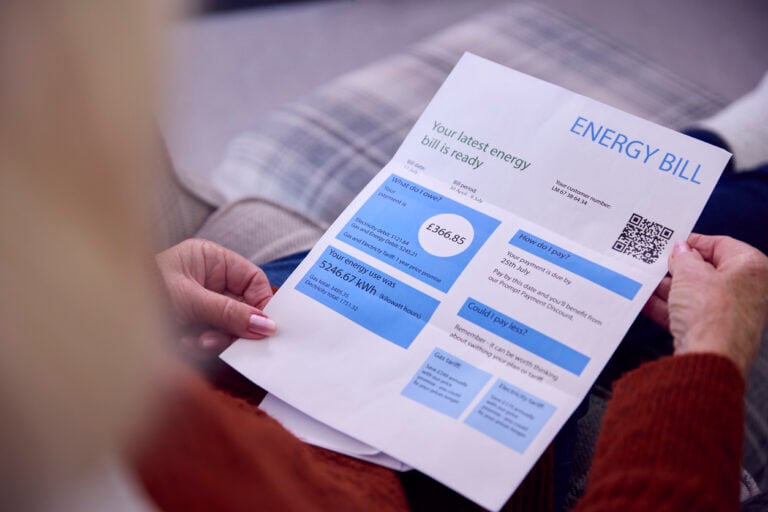
Petrol rose by 9.1p a litre during the month to an average of 161.3p, and diesel was up by 14.2p to 181.8p. Overall, motor fuel prices were 23% higher than a year earlier, and air fares increased by 6.2% between July and August. There has also been a 13% increase in the Ofgem energy price cap.
The Bank of England’s dilemma
The difference between the two inflation rates has given the Bank of England a dilemma. It is not able to control global oil and gas prices, but it does need to decide whether the resulting rise in inflation is likely to become embedded in the wider economy.
The fact that core inflation remained unchanged shows that, so far, there is little evidence of that.
Services inflation was unchanged at 3.4%, despite economists expecting it to rise, and food inflation remained at 1.3%. Wage pressures are easing too, with pay growth slowing as the labour market weakens and 145,000 fewer people on company payrolls than a year ago. And, moving forward, the relatively subdued economy means businesses will find it hard to pass any additional costs on to their customers.
Energy prices, though, affect the cost of producing and transporting almost everything, meaning a prolonged increase has the potential to put upward pressure on prices right across the economy.
If, though, the increase remains largely an imported energy shock, raising interest rates would do little to address its original cause and could damage the economy.
That is why economists are divided over what the Bank will do in the months ahead. Some expect rising inflation eventually to require higher interest rates, but others believe the Bank has room to look through the increase if domestic inflation remains under control.
What happens next?
The immediate outlook is for inflation to rise further as households and businesses brace themselves for the full impact of higher oil and gas prices.
There will also be another 4% increase in the energy price cap from October for electricity and gas, with energy consultancy Cornwall Insight forecasting an even larger rise in January.
As a result, some economists now expect inflation to peak around 4% to 4.5% early next year before beginning to fall again.
What does this mean for mortgages?
Fixed mortgage rates are heavily influenced by swap rates, which are based on financial market expectations for interest rates over the period of a loan rather than just the current base rate.
Five-year swap rates have risen from around 4.3% a month ago to close to 4.8%, as the financial markets have reassessed the outlook for inflation and interest rates.
The rise in lenders’ funding costs has prompted another round of mortgage repricing, with NatWest, Santander, HSBC, Lloyds Bank and TSB among the major lenders to have increased selected rates again since the start of September. Nationwide and other building societies have made further increases too.
The average five-year fixed mortgage rate reached 5.78% on 15 September, according to Moneyfacts, compared with 4.96% at the beginning of March.
For somebody borrowing £250,000 over 25 years, that increase adds around £122 to monthly repayments, or around £1,460 a year.
It is difficult, though, to forecast what will happen to mortgage rates next. If events in the Gulf come to some kind of resolution, energy prices could fall, and swap rates and mortgage rates could come down with them.
On the other hand, if the hostilities persist and their inflationary effects begin to show up in core inflation, the Bank of England could be forced to increase the base rate, and swap and mortgage rates will rise.