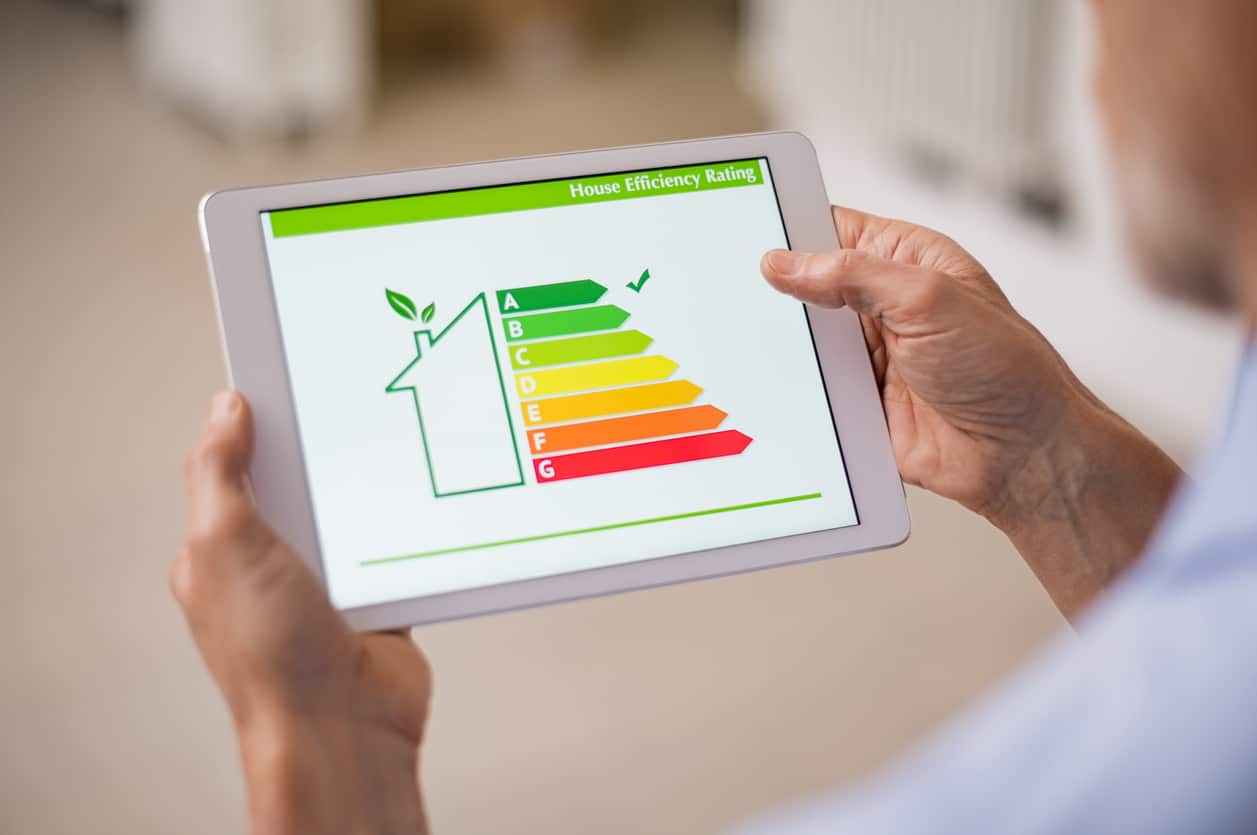

There is widespread confusion over how Energy Performance Certificates (EPCs) work, leaving many unsure how to improve their property’s energy performance.
The latest research from Uswitch reveals almost half (46%) of property owners either do not understand how EPC ratings affect energy bills or believe they make little or no difference. The energy comparison site also found many property owners were unsure what actually influences an EPC rating.
And there is yet more uncertainty over how EPCs are calculated. More than a third (36%) of respondents incorrectly believed that energy costs themselves influence a property’s EPC rating, and 16% thought the number of bedrooms forms part of the assessment process. Another 15% believed a property’s value affects its score.
Many respondents did, though, correctly identify insulation quality (56%), heating system efficiency (49%) and renewable energy installations (37%) as factors that can improve an EPC rating, but the findings show there remains considerable uncertainty about which measures make the biggest difference.
Research raises some serious concerns
For landlords, it raises some serious concerns. The Government has confirmed plans requiring privately rented homes in England to achieve a minimum EPC C standard by 1 October 2030, meaning many landlords will need to improve the energy performance of their properties over the next few years.
At the same time, demand for more energy-efficient rental homes is growing as tenants look for ways to reduce their energy bills. Separate analysis by The Mortgage Works found C-rated properties command an average rental premium of around 1.8% over D-rated homes. A and B-rated properties attract premiums of as much as 8.1%.
To make the necessary changes without making costly mistakes, landlords will need a thorough understanding of how EPCs are assessed and which improvements are most likely to increase a property’s rating.
Upgrades delayed
For owner-occupiers, that lack of understanding is already influencing behaviour. It has resulted in more than two-fifths (43%) either delaying or considering delaying energy-efficiency improvements. One in five (20%) said they had already postponed upgrades, while a further 23% were considering doing so. With their deadline looming, landlords cannot afford to do likewise.
Ben Gallizzi, energy comparison expert at Uswitch, says delaying upgrades such as insulation, heating improvements and renewable energy installations can leave properties consuming more energy than necessary and facing higher running costs at a time of rising energy costs.
He adds: “Improvements such as better insulation, modern heating systems and renewable technologies can increase a property’s long-term value and help homeowners prepare for future changes in energy prices and efficiency regulations.”
He says those taking action sooner rather than later will benefit from lower energy costs while also making their properties more resilient and cost-effective in the years to come.
Landlords should take independent advice
Before embarking on any upgrades, however, the Energy Saving Trust advises landlords and owners to first seek independent advice to ensure the right measures are chosen for each property, that they are carried out in the correct order and any unintended consequences such as damp or poor ventilation are avoided.
As a general rule, they recommend making improvements such as switching to LED lighting, insulating hot water cylinders, installing heating controls, replacing older boilers with new condensing boilers, upgrading single glazing to double glazing, improving loft, floor and wall insulation, and installing solar panels.
Landlords should be aware, though, that the Government is expected to introduce a reformed EPC system in the second half of 2027. The details are still being finalised, but it has been confirmed that existing EPC certificates will remain valid.
More in-depth EPC guidance from the Energy Saving Trust can be found here.