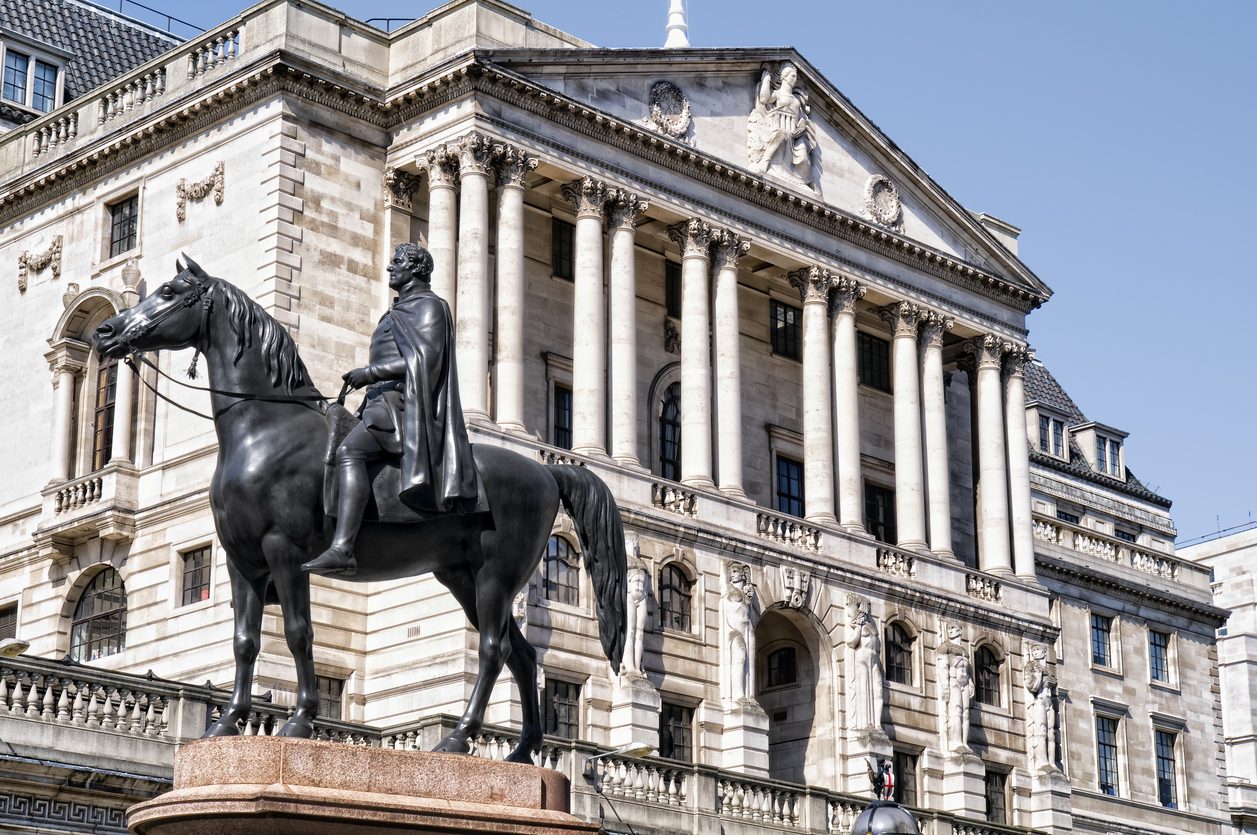

The Bank of England has kept the base rate at 3.75% for a fifth consecutive meeting after the Monetary Policy Committee voted 6-3 to leave the Bank Rate unchanged, although three members voted to raise it to 4%.
After a prolonged period of high inflation, it has been easing in recent months. It fell from 2.8% in May to 2.6% in June, its lowest level for 15 months, edging it closer to the Bank’s 2% target. It is, however, expected to start rising again in the second half of the year as higher energy costs feed through into household bills.
That’s because the energy price cap increased by 13% at the beginning of July after wholesale gas prices rose during the conflict in the Middle East. The cap limits the unit rates and standing charges suppliers can charge households on standard variable tariffs rather than the total bill, which still depends on energy use.
Energy cap rise
Ofgem says the wholesale-cost allowance within the cap increased by 28% compared with the previous quarter. Those higher costs have yet to feed fully into the inflation figures and are likely to push the headline rate above 3% later this year.
The outlook has been further clouded by the recent intensification of hostilities in the Gulf. Brent crude had been falling while the ceasefire appeared to be holding, but then surged above $100 a barrel last week before easing back to around $91. Such volatility makes it very difficult to judge how large or persistent the effect on inflation will be.
That leaves the Bank in a dilemma, caught between the recent fall in inflation and the prospect of a rise later in the year. If it raised rates now, it would place further pressure on an already weak economy, but cutting them would risk adding to inflation before the full effect of higher energy costs is known.
Governor Andrew Bailey made his priorities clear, though, saying: “Our job is to make sure any increase in inflation is temporary and that it comes back to our 2% target.”
Uncertain outlook
The uncertainty is also forcing the financial markets to make rapid adjustments. Earlier in the year, they were pricing in one additional reduction in the base rate but are now expecting at least one quarter-point increase before the end of 2026.
And they are increasingly divided over what will happen at the MPC’s next meeting on 17 September. At the beginning of this week, traders were split down the middle over the likelihood of a rate rise, with roughly a 50% probability. Most economists, though, still expect the Bank to leave rates unchanged for the remainder of the year.
Impact on mortgage costs
Despite the base rate being on hold for now, the mortgage market is moving in the opposite direction. Several major lenders have increased the cost of fixed-rate mortgages.
Fixed mortgage rates are influenced by SONIA swap rates, which are based on where the financial markets expect interest rates to be during the loan period. As expectations for future interest rates have increased, swap rates have risen, pushing up lenders’ funding costs.
It means average residential mortgage rates have risen during July. Moneyfacts figures showed the average two-year fixed rate increasing from 5.47% to 5.57% in one week, while the average five-year rate rose from 5.49% to 5.60%.
Borrowers with larger deposits, however, can still access significantly lower rates. Moneyfacts’ latest best-buy tables show first direct offering remortgage borrowers a two-year fixed mortgage at 4.47% and a five-year fixed deal at 4.54%, both available at up to 60% loan-to-value.
Borrowers should keep eye on market
In the current market, borrowers approaching a purchase or remortgage will need to keep a close eye on the market, as products are being rapidly withdrawn or repriced.
Many lenders, though, allow borrowers to secure a new fixed-rate mortgage up to six months in advance. If rates subsequently fall before completion, it is often possible to switch to a cheaper product, with the reservation providing protection if rates continue to rise.