
Falling swap rates, driven by expectations of a base-rate cut have combined with stronger competition between lenders to push mortgage prices downwards.
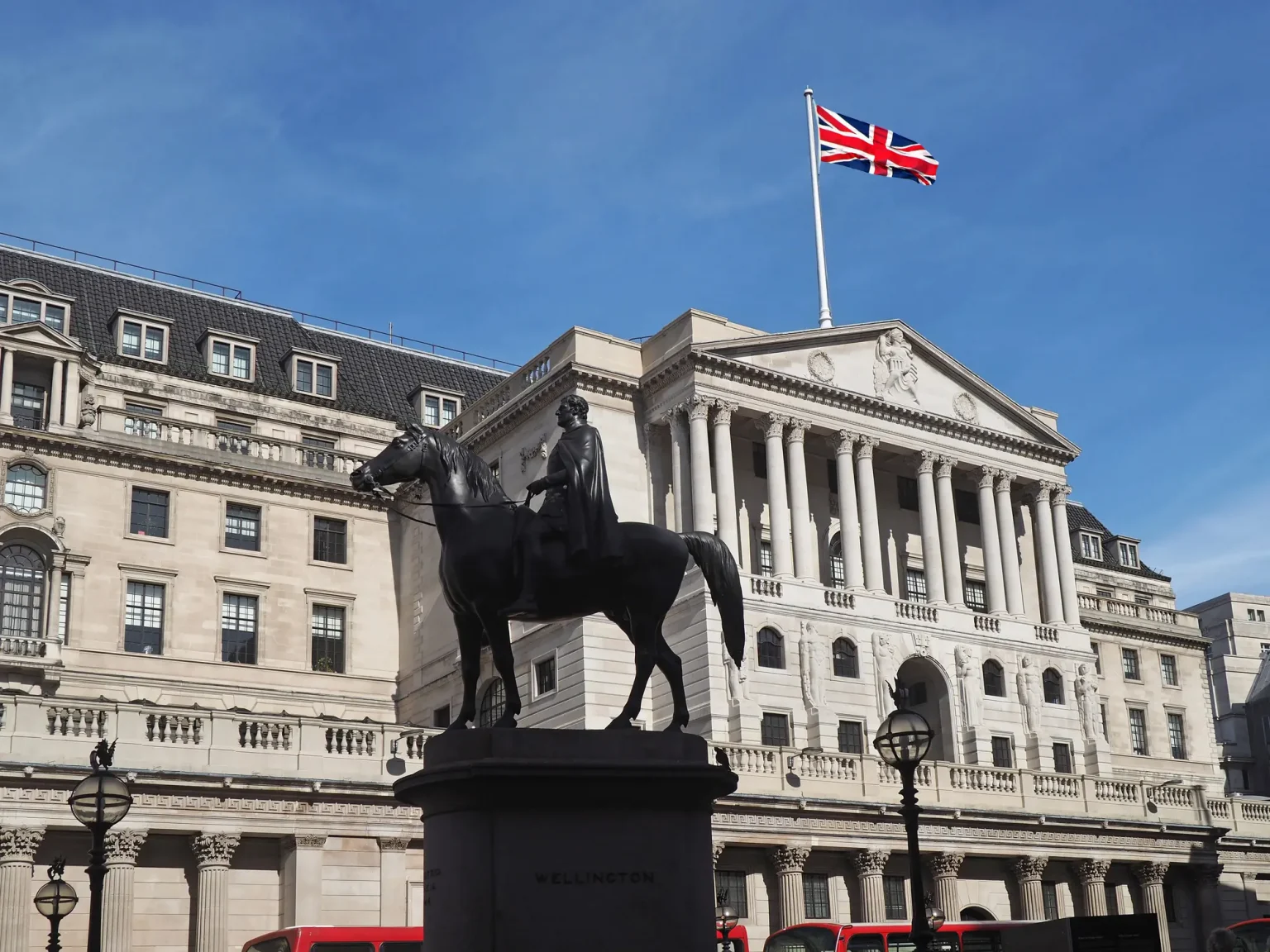
Mortgage rates have fallen sharply ahead of the Bank of England’s 18 December announcement, as markets increasingly expect the base rate to fall from 4% to 3.75%. The base rate peaked at 5.25% last year before then being cut four times, with expectations of further reductions in 2026.
These expectations have already fed into swap rates. Swap rates are what lenders use to price their mortgages and are based on the predicted future direction of the Bank of England’s base rate over the course of a loan, rather than its current value.
The drop in swap rates has reduced lenders’ funding costs, allowing them to cut fixed-rate deals ahead of the Bank’s announcement.
And, as Moneyfacts points out, there has been “a clear shift in expectations about where the base rate is heading over the coming months” which could mean there will be even more falls.
The other main driver of falling mortgage rates is the increasing level of competition for new business. Borrower activity remains below normal levels, and with fewer purchases and remortgages, lenders are having to compete harder for new business. It means margins have tightened, repricing cycles have accelerated and lenders are having to react rapidly to rivals’ moves.
And, as Adrian Anderson of mortgage broker Anderson Harris: “There is a price war going on that started a couple of months ago. The banks have an appetite to lend, and they price as competitively as possible to get new business.”
Residential rates fall to pre–mini-Budget levels
According to Moneyfacts, average two-year fixed rates have fallen to 4.86%, and five-year rates to 4.91%, which is the lowest they have been since before the infamous Liz Truss mini-Budget in September 2022.
It also reports that as many as 24 lenders reduced their prices last week, with cuts of up to 0.35 percentage points. In addition, the number of available mortgage products has climbed above 7,000 deals for the first time this year, with some marked improvement in the availability of FTB higher-LTV mortgages.
Buy-to-let pricing also falls
Buy-to-let rates have followed a similar trajectory. Five-year fixed rates for both individual and company landlords now frequently start in the mid-4s, the most competitive pricing in more than 18 months.
Moneyfacts is currently reporting multiple BTL cuts of 0.10–0.30 percentage points. Some lenders have also eased income-coverage requirements as funding costs have improved.
Competition is reshaping landlord products
It is not just about cutting rates in the BTL sector: lenders are also widening their buy-to-let ranges to attract more specialised landlord segments. These include:
• More limited-company mortgage options
• Increasing use of high-fee, low-rate structures to support affordability
• An uptick in appetite to lend on 75% and 80% LTV products
• Rapid weekly repricing cycles rather than slower monthly adjustments
One of the more eye-catching initiatives, though, is Nottingham Building Society’s new BTL mortgage. It has cut a limited-company five-year fix from 4.99% to 4.48% using a higher-fee structure introduced in order to offset the impact of the Autumn Budget’s 2027 Property Income Tax rise.
Outlook
We are already in the most favourable refinancing backdrop in more than two years. But if, as expected, further base rate cuts look likely next year, the outlook will improve further. This would mean swap rates continue to fall, easing the cost of living – a positive for the wider economy – while also reducing costs for landlords and boosting yields, as well as encouraging further investment in the sector.